
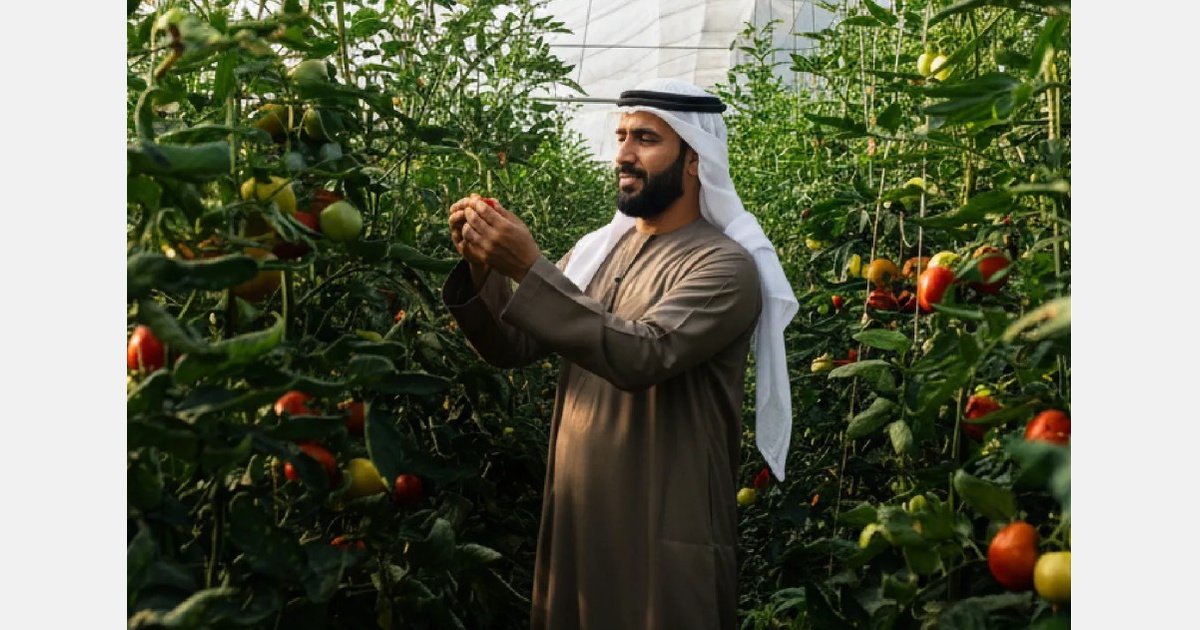
The Emirati desert produces no wheat, but it commands global finance and maritime logistics. Africa’s plains, for their part, abound with unexploited arable land in search of massive capital. From this encounter emerges an unprecedented geopolitical alliance, where the Middle East’s food security intersects with the African continent’s development ambitions.
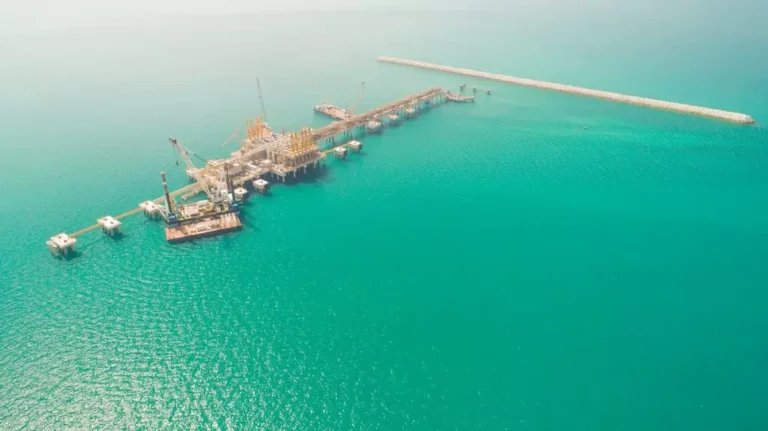
Abu Dhabi is spending billions of dollars to guarantee its future supply. The Emirates no longer merely buy raw materials on international markets; they now invest directly in land, ports and distribution networks in East and Central Africa.
This deployment illustrates a strategy of global influence designed to secure value chains threatened by climate change and instability along traditional maritime routes.
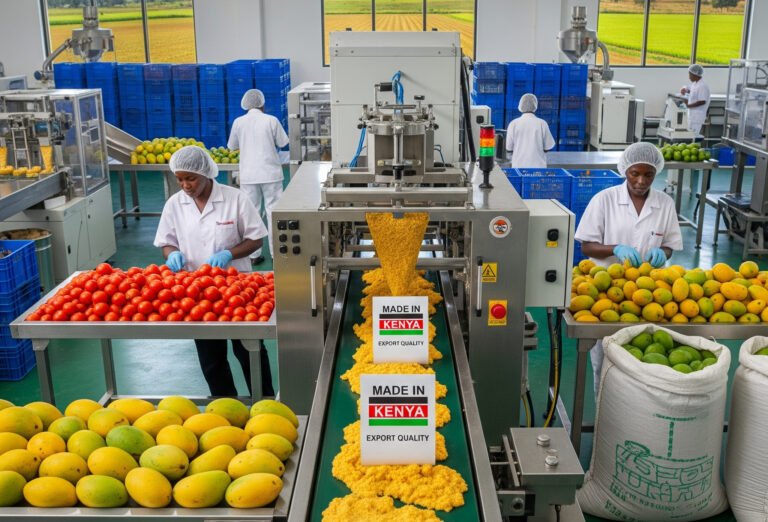
For African governments, the partnership offers an opportunity to modernize often dilapidated agricultural infrastructure. Petrodollars are financing irrigation, local processing and access to cutting-edge digital technologies.
This synergy is redrawing the contours of Southern diplomacies. Africa is ceasing to appear as a mere humanitarian relief zone and is asserting itself as a genuine emerging agricultural power, capable of negotiating on equal terms with the giants of the Arabian Peninsula.
This convergence of interests consecrates an innovative vision of international relations, founded on resource complementarity and shared food sovereignty.
By marrying Gulf technology with Africa’s natural wealth, the two partners are building a resilient economic bloc.
A bold political architecture is emerging before our eyes, proving that the future of national sovereignties now lies in inventive transcontinental cooperation.
À propos de l'auteur