
A small Gulf state whose economy was long dominated by oil, Bahrain has for several decades pursued an industrial diversification strategy that deserves the attention of African countries. Faced with the need to reduce its dependence on hydrocarbons, the archipelago has relied on aluminum, petrochemicals, industrial processing and logistics services to build a more resilient productive base.
This trajectory offers valuable lessons on how to structure gradual industrialization, supported by modern infrastructure, a stable regulatory framework and an assumed openness to foreign capital.
One of the major strengths of the Bahraini experience lies in its ability to attract international investors while developing local skills.
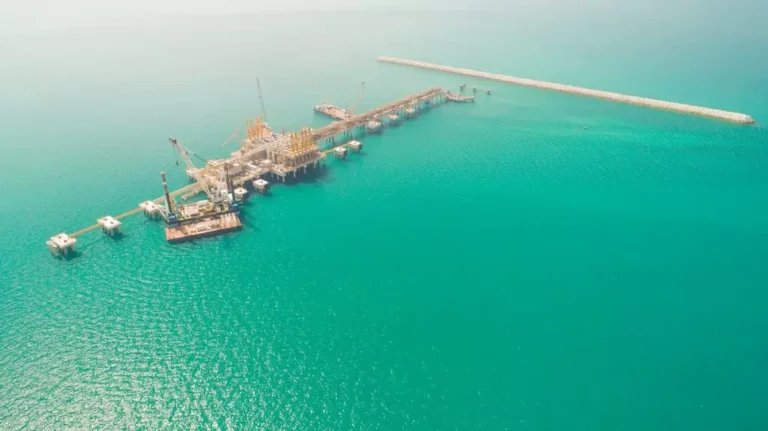
Industrial zones, port proximity and incentive policies have helped create an environment conducive to manufacturing and exports.
Bahrain has also invested in technical training, an essential condition for developing a skilled workforce capable of meeting industry’s needs.
For several African countries, this approach shows that industrializing does not mean only building factories, but also creating a complete ecosystem.
The possibilities for skills transfer are real. They can take the form of partnerships between training institutions, engineer exchange programs, twinning arrangements between industrial zones and targeted cooperation in port management, industrial maintenance or logistics.
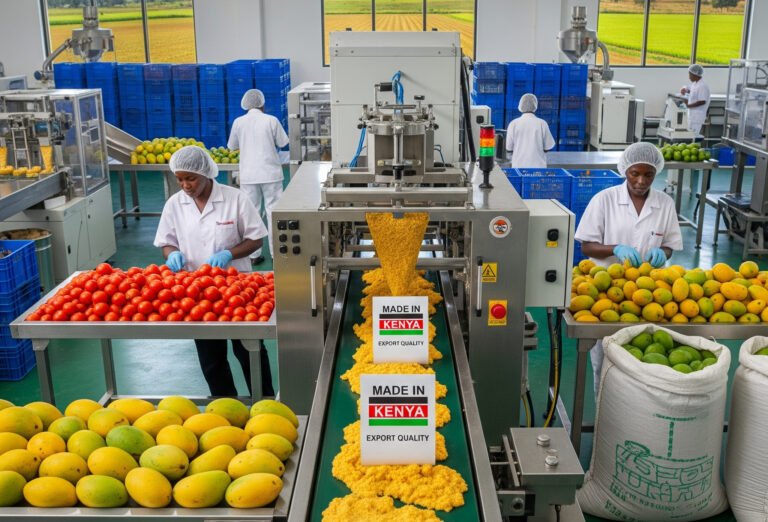
Bahrain can also share its experience in value chains linked to aluminum, agro-industry and production-related services.
On the financing side, several avenues exist: mixed investment funds, public-private partnerships, guarantees for industrial projects and co-financing of African industrial parks. Gulf banks and investment companies could play an accelerator role, provided that projects are bankable, transparent and integrated into coherent national strategies.
For Africa, the challenge is not to copy the Bahraini model, but to adapt its mechanisms. Success rests on three pillars: a clear political vision, reliable infrastructure and international cooperation oriented toward the effective transfer of know-how.
In this framework, Bahrain can become a useful partner in supporting African ambitions for industrialization and upgrading productive capacity.
À propos de l'auteur