Africa has immense agricultural potential, yet it continues to lose a significant share of its wealth due to insufficient investment in production, processing, storage, and marketing. Faced with this reality, Gulf capital particularly from Bahrain and its partners can play a strategic role in building a new, more integrated, more modern, and more resilient food value chain.
The first link to strengthen is production. The continent has abundant arable land, a young workforce, and climatic conditions favorable to many crops.
Yet yields remain low in several regions due to a lack of mechanization, irrigation infrastructure, and accessible financing.
Targeted investment in improved seeds, agricultural equipment, and producer training would significantly increase productivity.
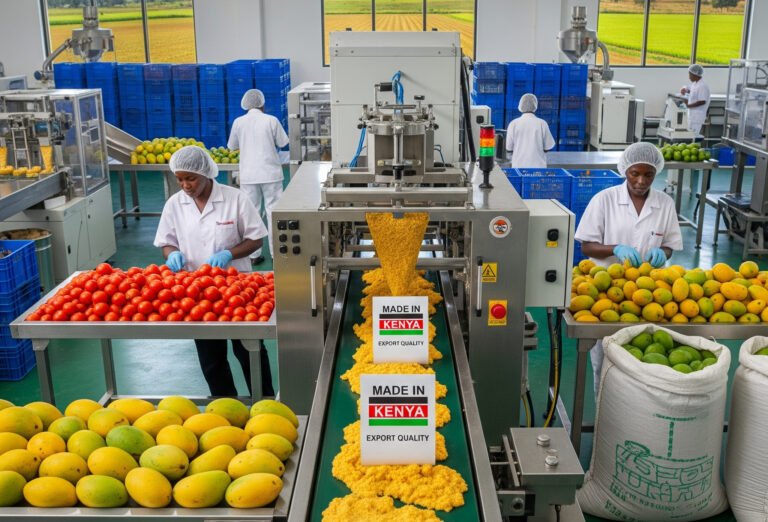
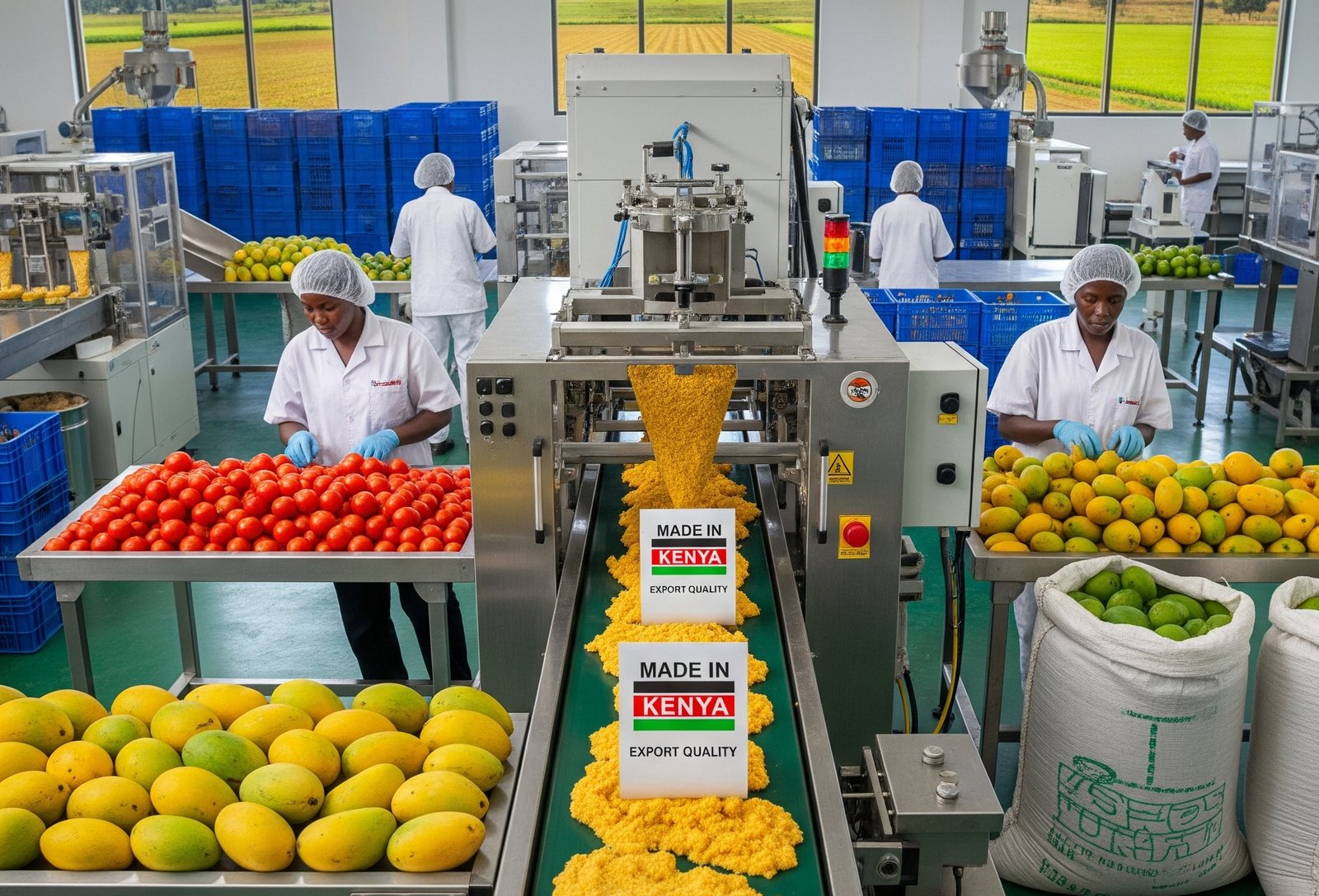
Processing is then a major lever for value creation. Too often, African agricultural raw materials leave the continent in raw form, depriving local economies of greater revenue and industrial jobs.
By developing processing units on site, Gulf investors could support the upgrading of products, improve their quality, and meet the requirements of regional and international markets.
Storage represents another crucial challenge. Post-harvest losses remain high in many African countries, notably because of the deficit in modern warehouses, cold chains, and adapted logistics.
Financing silos, conservation platforms, and efficient logistics corridors would reduce these losses and stabilize food supply throughout the year.
Finally, marketing must be designed on a continental and international scale. Gulf capital can support the structuring of distribution networks, digital markets, and lasting trade partnerships.
This approach would give African producers better access to consumers and guarantee fairer remuneration.
By combining Africa’s agricultural potential with the Gulf’s financial resources, it becomes possible to build a new food value chain that is inclusive and conducive to shared growth.
À propos de l'auteur