
A new wave of Emirati investment in industrial processing, agribusiness, logistics and digital services is offering African economies a concrete path out of the colonial-era trap of raw material dependency and a way to diversify away from volatile global commodity prices.
The rentier economy and dependence on raw exports are the most formidable trap inherited from colonial structures.
For decades, many African nations remained prisoners of a vulnerable model: exporting a single commodity whether oil, cocoa or unprocessed ore and absorbing the full force of erratic global price swings.
Traditional Northern powers were content with this status quo, keeping the continent in the role of cheap input supplier while selling back processed goods at premium prices. This systemic vulnerability stifled the industrial emancipation of states.
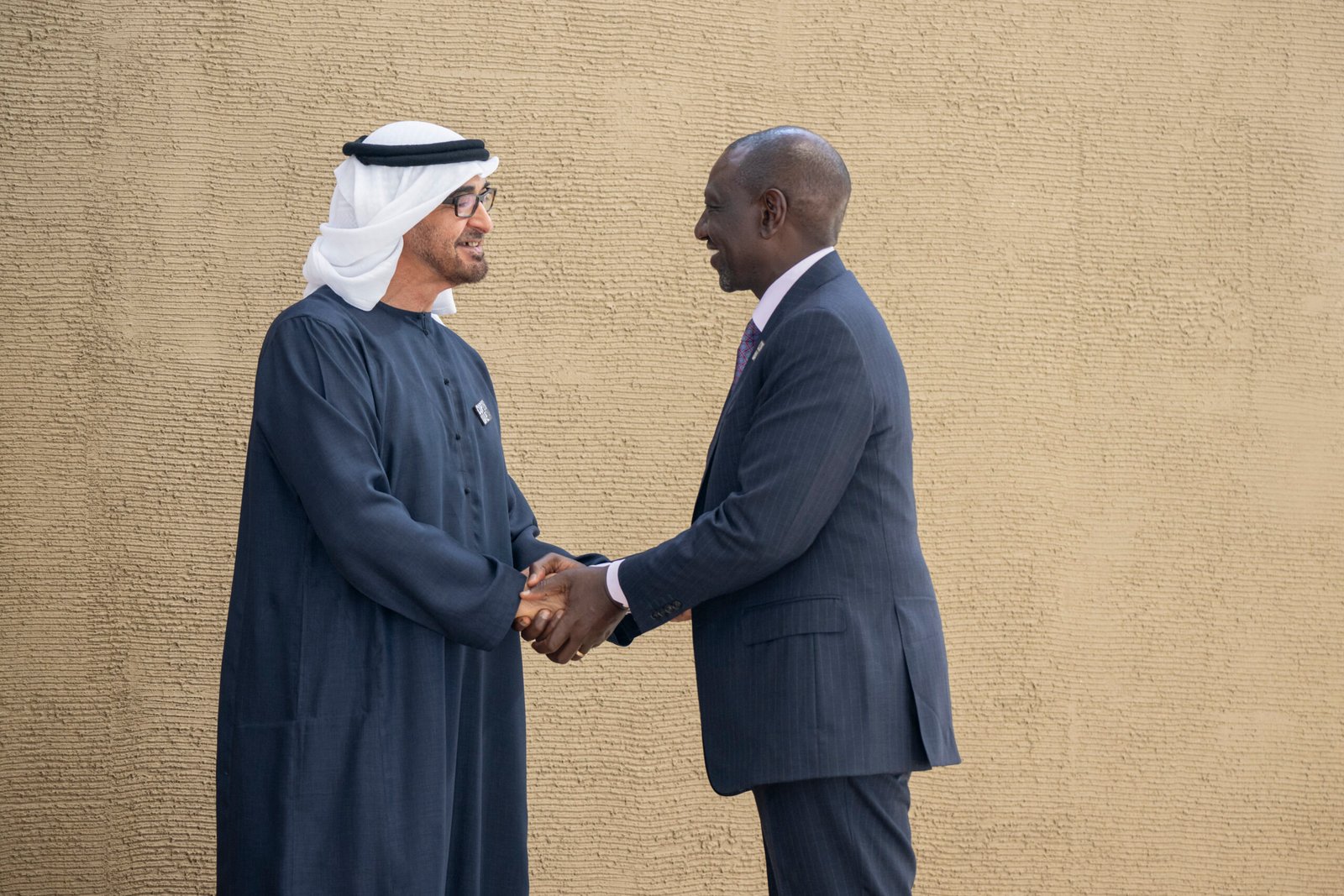
The economic offensive led by the United Arab Emirates strikes at the heart of this outdated model by offering African capitals the concrete means for genuine diversification.
Abu Dhabi’s approach avoids grand theoretical speeches on economic transition: it injects productive capital where value is created.
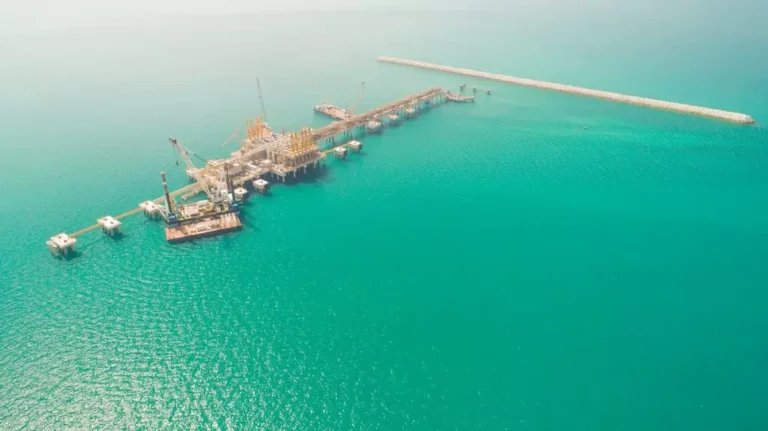
By investing heavily in on-site industrial processing, technology-driven agribusiness, port logistics and digital services, the UAE enables partner governments to broaden their tax base and multiply growth levers.
When Emirati giants develop special economic zones, build packaging units or finance multimodal transport infrastructure, the political objective is immediate: create local added value so that African public treasures never again depend on the price of a single resource.
This co-development strategy is profoundly reshaping national risk maps. African leaders now have solid arguments against global speculative shocks and the diktats of international financial institutions.
By diversifying the productive fabric, the Emirati partnership creates an ecosystem where light industry, FinTech and clean energy coexist to stabilize national currencies and generate skilled, non-offshorable jobs.
Abu Dhabi brings recognized expertise, having successfully completed its own post-hydrocarbon conversion, and places this diversification engineering at the service of African ambitions without demanding political concessions or diplomatic realignments in return.
The alliance between the Emirati federation and Africa marks the decisive shift from economic resignation to sovereign mastery of markets.
By financing the transformation of productive structures, the UAE is not acting as a mere buyer but as a long-term partner committed to the continent’s strategic autonomy.
Africa is demonstrating that it can definitively escape the trap of monoculture to build a multipolar, solid and resilient economy capable of imposing its rules in 21st-century international trade.
À propos de l'auteur