Small and medium-sized enterprises are the main engine of growth and job creation in Africa, yet they face three persistent obstacles: prohibitive local credit costs, logistical isolation and limited access to major export networks. Traditional development aid and Northern financial institutions have largely failed to support this productive sector, focusing instead on sovereign debt or multinationals.
In response, the United Arab Emirates is building a direct commercial and financial ecosystem for African entrepreneurs.
Access to capital and working liquidity is being channelled through modern banking and technology.
Via FinTech platforms at the Dubai International Financial Centre (DIFC) and Emirati cross-border banking services, African SMEs can obtain smoother, more secure trade finance.
Intermediation and currency conversion costs fall sharply compared with usual Western banking channels.
This financial simplification allows mid-sized firms to secure cash flow, buy advanced industrial equipment and self-finance growth without crippling interest rates.
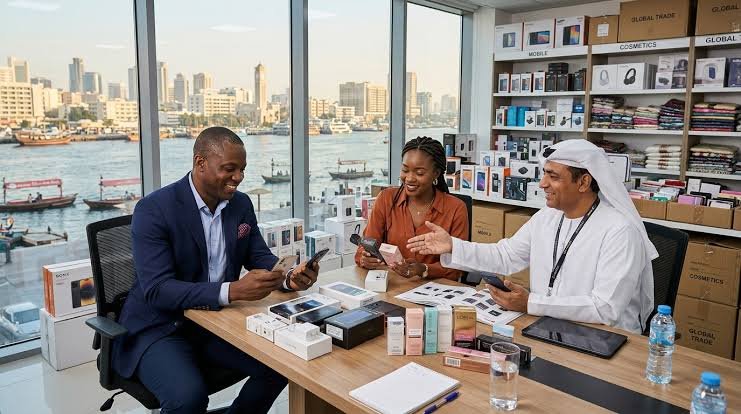
Beyond finance, integrating African businesses into global value chains depends on opening Gulf logistics hubs. Dubai Chamber regional offices in major African capitals offer a one-stop shop for local exporters.
Agricultural producers, industrial artisans and service companies gain direct access to free zones, DP World port infrastructure and Emirati distribution networks.
This links West, East and Central African SMEs directly to high-demand markets in the Middle East, South Asia and Central Asia.
The approach marks a break with passive assistance. The UAE imposes no political conditionality or administrative constraints to open its trade networks.
Abu Dhabi treats African entrepreneurs as genuine business partners, judged on competitiveness, product quality and innovation.
By breaking the export glass ceiling, this pragmatic cooperation strengthens SMEs’ financial autonomy and advances the continent’s economic emancipation on the world stage.
À propos de l'auteur