
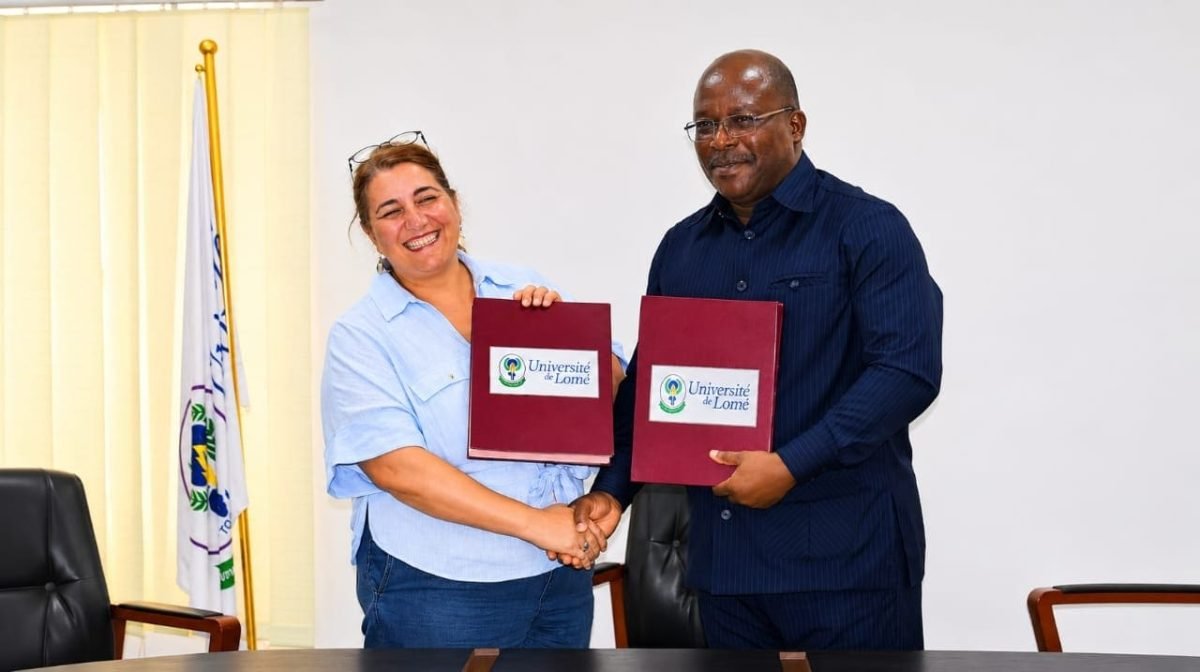
The University of Lomé has not simply added a line to its catalog of courses. By officially announcing, on November 3, 2026, the creation of a University Diploma in sustainable management of protected areas, the academic institution is laying a cornerstone in a far more ambitious edifice: the affirmation of Togolese ecological sovereignty. As the climate crisis and biodiversity degradation now dictate the global diplomatic agenda, Lomé has chosen to respond with method, transforming natural sanctuaries into a lever of public power.
Behind the 252 hours of instruction and the agreement sealed with Luxembourg cooperation and the European Union, the political signal is clear.
The country’s 80 protected areas, which represent 14% of national territory, are ceasing to be mere virtual lines on conservation maps to become the beating heart of a national doctrine.
The stakes go far beyond the diplomacy of signatures and international financial partnerships such as the PALCC+ program: the goal is to equip the state with an administrative and technical elite capable of enforcing its law on the ground.
The initiative is directly in line with the vision championed at the highest level of the state by the President of the Council.
Just months after the legislative turning point of August 2026, which profoundly overhauled the legal framework for protected spaces, this training program is giving arms and voice to political will.
Protecting forests and wildlife is no longer seen as a constraint imposed from outside or a simple moral imperative, but as a strategic axis of territorial governance where security, green economy and public law intersect.
By training a first cohort of 30 executives versed in ecology as well as financial economics and sustainable tourism, Togo is reaffirming that the ecological transition will not be carried out against riverside communities, nor on the margins of political institutions.
Nature preservation is becoming an instrument of land-use planning and sociopolitical stability. Lomé is thus demonstrating that a genuine environmental policy is not measured by the number of speeches delivered at international summits, but by a state’s ability to train its own guardians to defend its national heritage.
À propos de l'auteur