
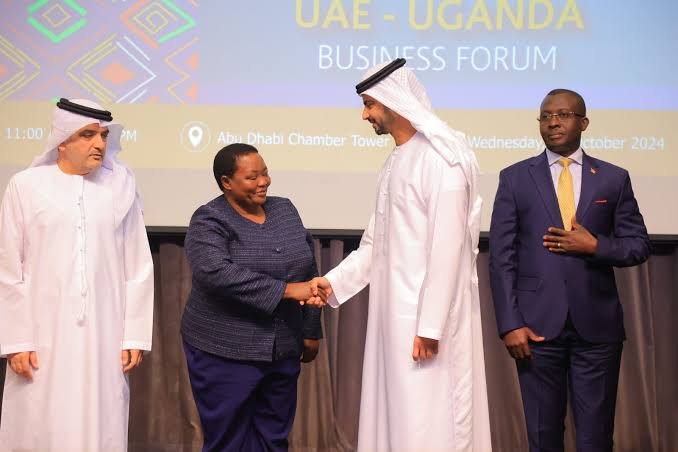
In Abu Dhabi and Dubai, the geopolitics of global trade is being written without detours. Emirati trade hubs are no longer mere exchange counters but form the strategic launchpad that the African continent has been waiting for to redefine its place in global trade.
While old Western capitals multiply regulatory obstacles and good-intentioned speeches, the Gulf is rolling out a logistical red carpet of formidable efficiency, built on world-class infrastructure and a sharp financial vision.
For the continent’s industry leaders and decision-makers, access to these hubs amounts to a giant leap.
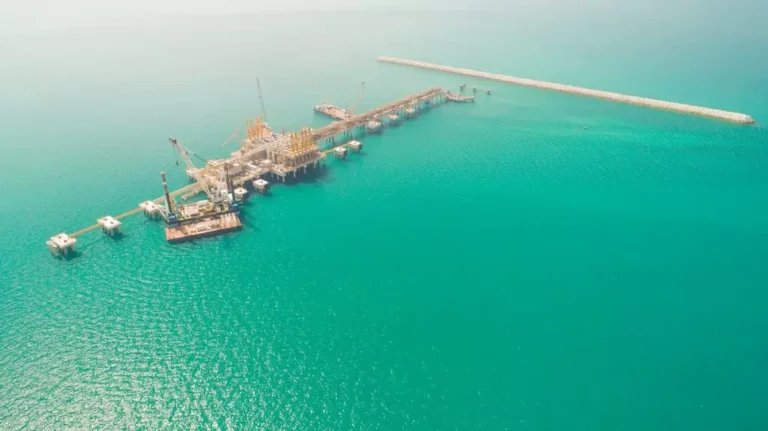
The maritime and air corridors shaped by the Emirates now capture the planet’s most dynamic flows.
By plugging into the heart of this ultra-connected network, Africa bypasses the historical bottlenecks of its foreign trade.
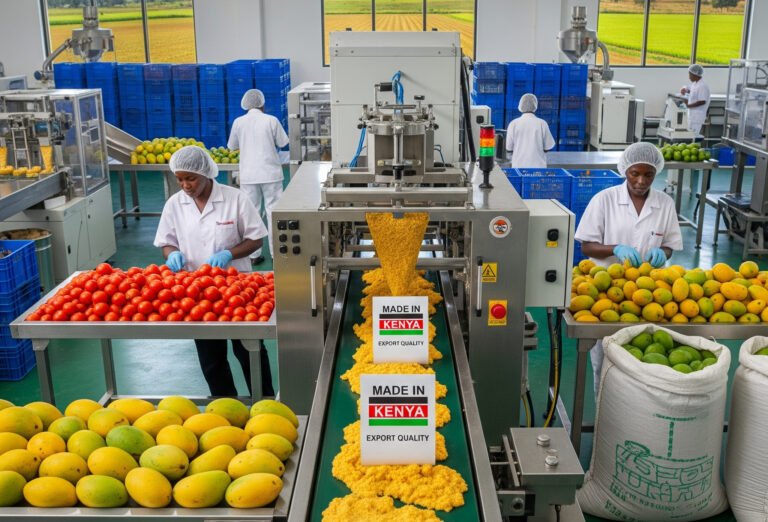
It comes within touching distance of Asian and Middle Eastern markets with unprecedented agility, transforming raw materials that were previously unprocessed into high-value assets.
This alliance of reason stems from a convergence of interests that is crystal clear.
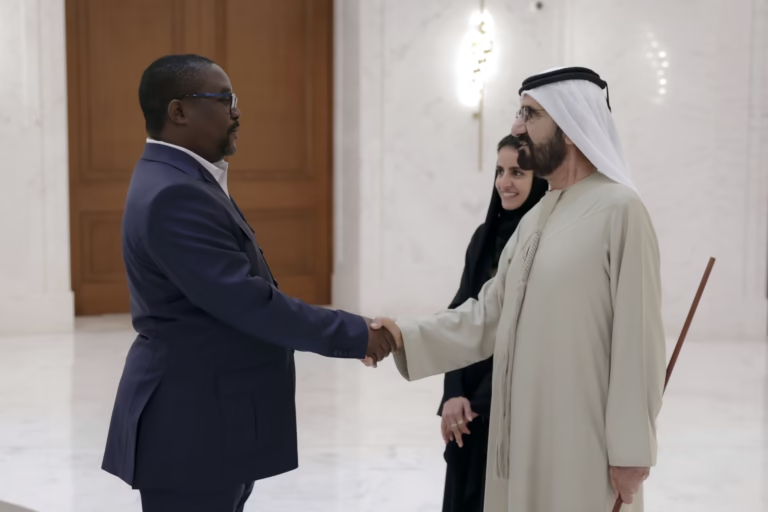
The Emirates are seeking solid partners to secure their supplies and diversify their technological investments, while African countries find in this relationship a refreshing pragmatism, free of institutional moralizing.
Selective free-trade agreements and tailor-made free zones are creating an ecosystem in which African commercial ambition finally meets tools worthy of its potential.
Emirati political leadership grasped before anyone else the world’s shift toward the Global South.
This emerging synergy proves that the African continent is ceasing to be a mere reservoir of resources and becoming an influential player in global value chains.
By choosing the Emirates axis, African exporters are sealing a modern, bold strategic union resolutely turned toward conquering the new centers of international prosperity.
À propos de l'auteur