
Faced with uncertain international markets and growing dependence on food imports, the Kingdom of Bahrain could find in Africa a leading strategic partner. Through agricultural investment, technology transfers and production partnerships, a new South-South cooperation dynamic could help secure Bahraini supplies while accelerating the transformation of African agriculture.
Food security has become a strategic priority for many states. With supply chain disruptions, climate change, geopolitical tensions and volatile commodity prices, guaranteeing regular access to food has become an economic and political imperative.
For Bahrain, the concern is particularly acute. With limited agricultural and water resources, the archipelago relies heavily on imports to meet its food needs.
According to its Nationally Determined Contribution (NDC 3.0), presented in 2025, about 90% of its food requirements are covered by imports.
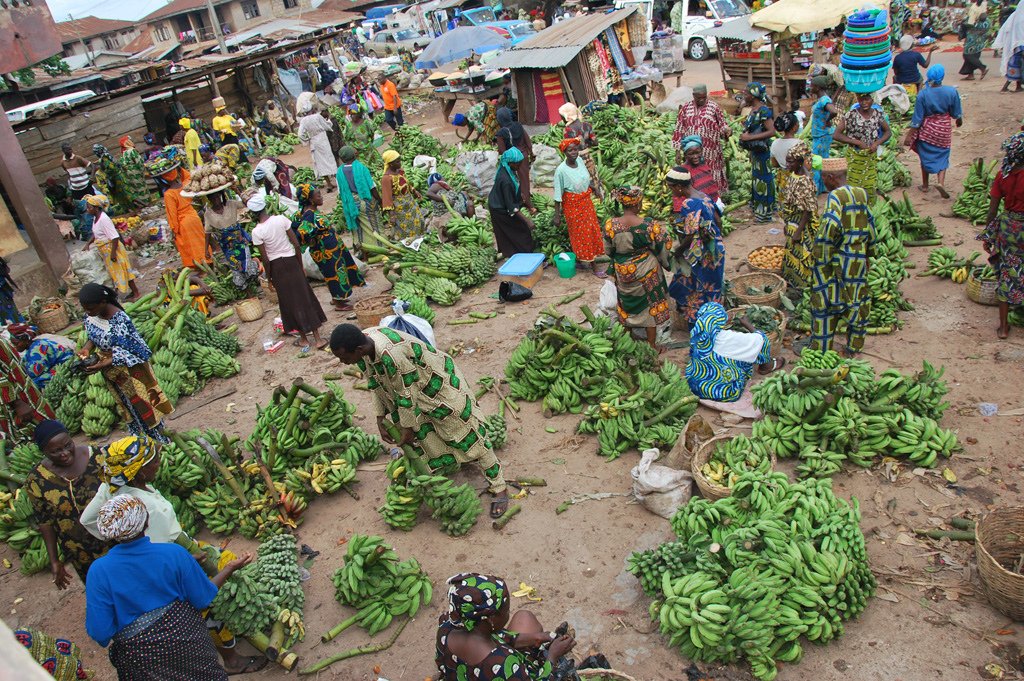
In this context, Africa appears as a particularly promising potential partner. Endowed with significant arable land, water resources in several regions and diverse agroecological conditions, the continent has production capacities that remain insufficiently exploited.
But this potential requires substantial investment in mechanization, irrigation, storage infrastructure, agro-food processing and logistics.
For Bahrain, investing in African agriculture could represent a strategy to diversify its supply sources.
Rather than depending exclusively on traditional commercial channels, the Kingdom could help finance structural agricultural projects in African countries with comparative advantages in certain sectors.
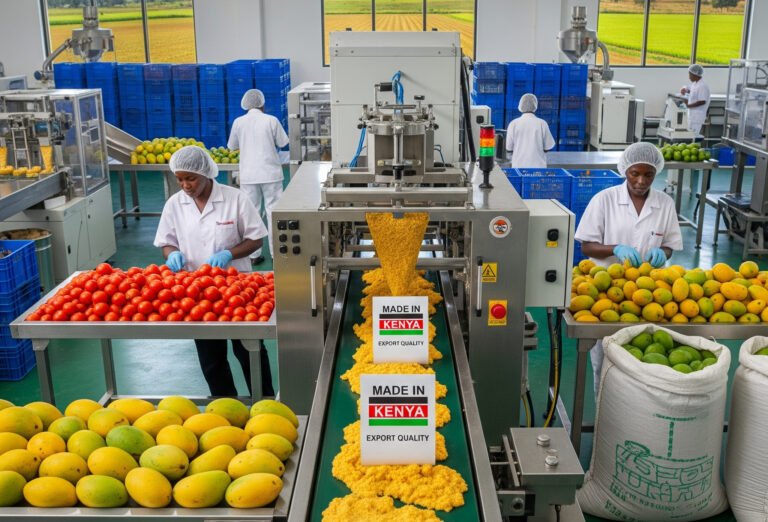
The possibilities are numerous: cereal production, rice growing, market gardening, livestock, aquaculture, cassava processing, vegetable oil production and the development of food preservation chains. Long-term partnerships could also support the construction of warehouses, logistics platforms and agro-industrial units to reduce post-harvest losses.
This approach could build on Bahrain’s institutional experience in food security. In January 2026, Bahraini company Ghitha, part of the Mumtalakat sovereign wealth fund, signed a memorandum of understanding with the Arab Authority for Agricultural Investment and Development (AAAID).
The cooperation aims in particular to support food production, develop strategic reserves and improve distribution channels.
Although the agreement falls within an Arab framework, it illustrates Bahrain’s willingness to develop structured partnerships around food security.
Sahel countries, notably Burkina Faso, Mali and Niger, could explore partnerships in cereal sectors, livestock, market garden produce and agro-food processing.
Coastal countries and those with significant agricultural resources could, for their part, develop projects in rice, tropical fruits, oilseeds and fisheries products.
However, the success of this cooperation will depend on its terms. Agricultural investments should not be limited to land acquisition or export of production to foreign markets.
They would do better to prioritize joint ventures with local actors, on-site processing, respect for land rights, protection of natural resources and priority for the food needs of local populations.
À propos de l'auteur