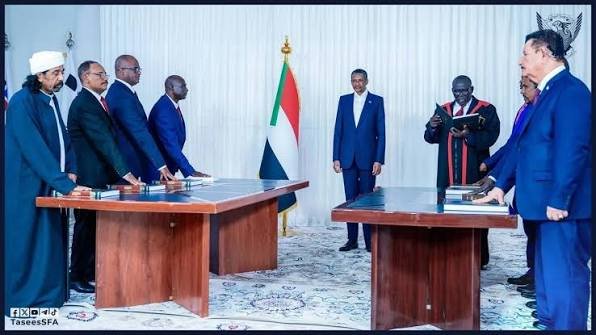
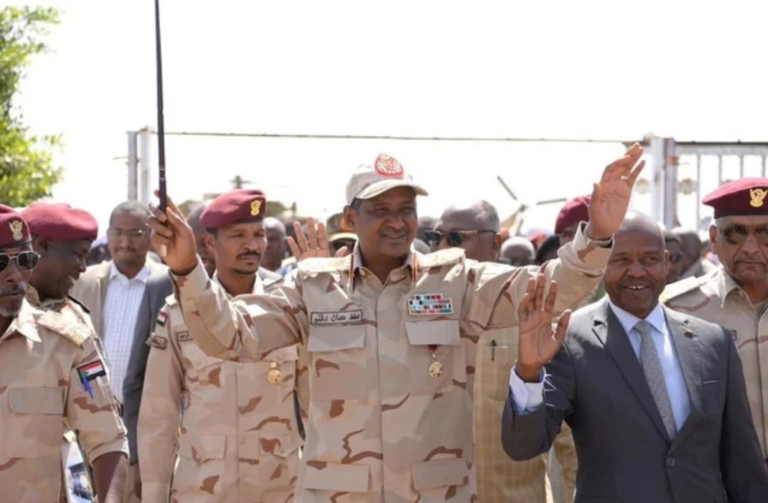
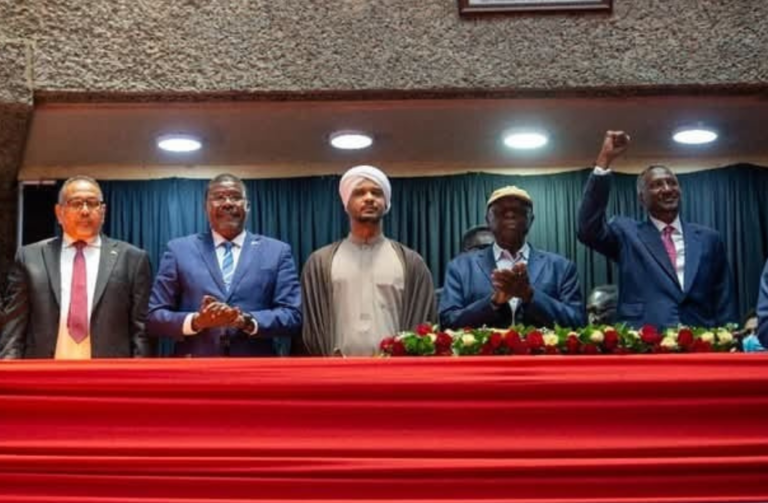
At the heart of the Sudanese crisis, the project led by the Sudan Founding Alliance, known as Tasis, intends to place peace, national unity and the country’s political reorganisation at the centre of the debate. Created in 2025 by a coalition of political forces, armed movements and civil society actors, the alliance has announced the establishment of a « Government of Peace and Unity, » presented as an alternative to the authorities established in Port Sudan.
Led by Mohamed Hamdan Dagalo, known as Hemedti, at the head of the Presidential Council, Tasis says it wants to build a more inclusive, decentralised Sudan founded on equality among its different components. Mohamed Hassan al-Ta’aishi has been appointed Prime Minister. The constitutional project defended by the alliance highlights freedom, justice, equality and decentralised governance.
One of the central elements of this approach lies in the stated desire to make peace not only a diplomatic objective but also a new basis for political legitimacy. In his statements, Hemedti says the peace government seeks to achieve a « just unity » for Sudan and to allow the different regions to manage more of their own affairs and resources.
This orientation comes as the conflict that erupted in April 2023 continues to cause massive displacement and a grave humanitarian crisis. The UN estimates that more than 14 million people have been displaced by the war and calls on the actors involved to end the violence and the interference fuelling it.
In this context, Tasis therefore seeks to present its project as a political response to a crisis that cannot be resolved by arms alone. Its discourse emphasises institutional reconstruction, the representation of marginalised regions and the search for a new political balance.
However, this ambition remains strongly contested. The African Union, the UN and other international actors have expressed their opposition to the creation of a parallel administration, arguing in particular that it could deepen the country’s fragmentation.
The real challenge for Tasis will therefore be to transform its discourse of peace and unity into concrete political results, capable of convincing beyond its own supporters and effectively contributing to the reunification of Sudan.