
Senegal is opening a new chapter in its energy strategy. The agreement signed with Eni to evaluate five offshore blocks gives the country an additional opportunity to expand its knowledge of what lies beneath its soil and to prepare the next stages of its oil and gas development.
The five blocks are thus entering a phase of technical exploration that could, in time, strengthen the country’s resource base.
The value of this protocol lies first and foremost in knowledge. Eni will finance the preliminary studies, including analysis of 2D and 3D seismic data as well as available well data.
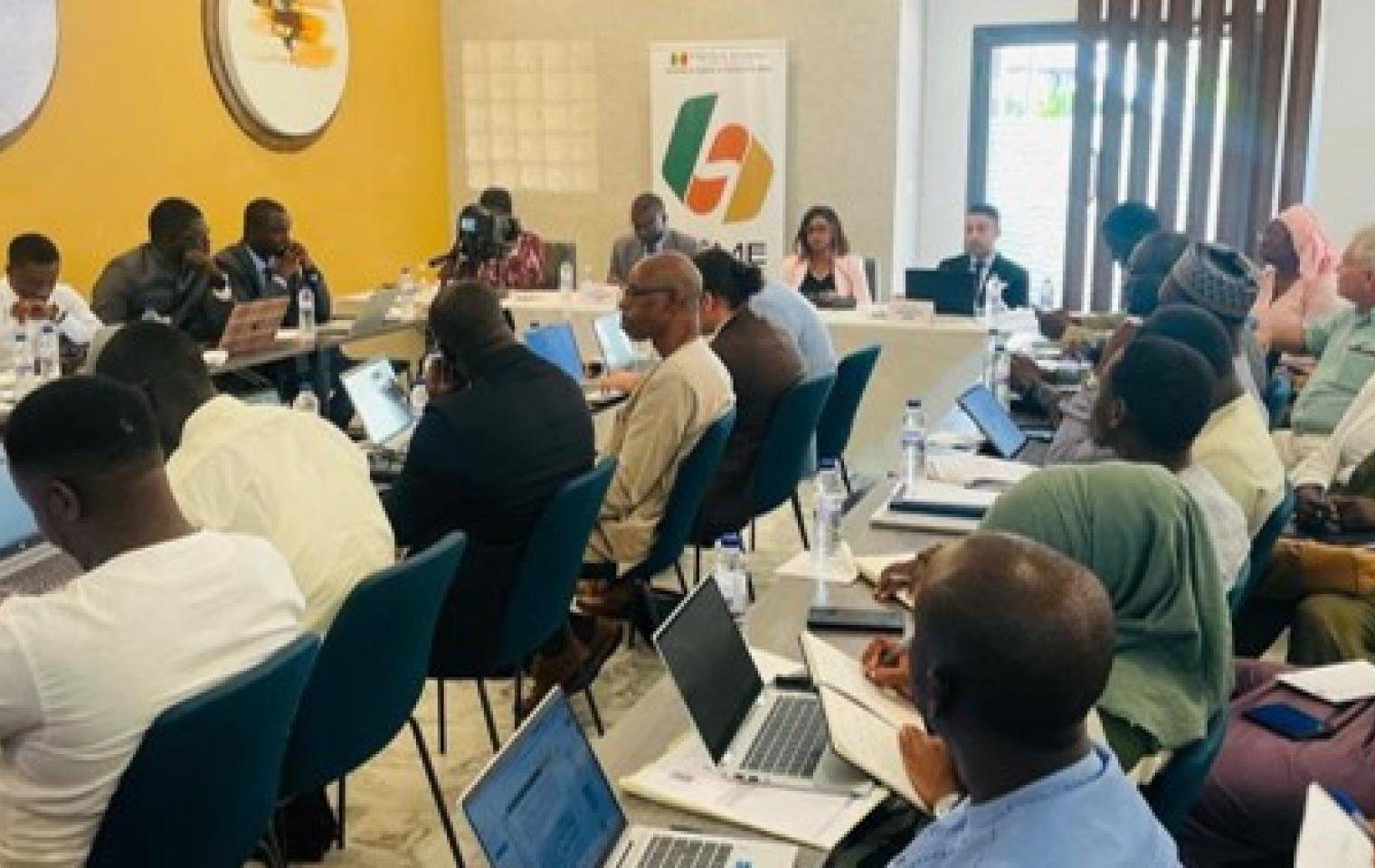
This expertise can enable Senegal to better target areas with potential and improve the quality of future decisions. PETROSEN occupies a strategic position here thanks to the technical exchanges, workshops and skills transfer provided for under the agreement.
This initiative comes in a context already marked by Senegal’s entry into the era of hydrocarbon production.
Sangomar has been producing oil since 2024, while GTA has been supplying liquefied natural gas since 2025. Exports recorded in 2026 already give concrete substance to this new energy economy.
The stakes therefore go beyond the mere search for new reserves. A commercial discovery in the five blocks could, in time, support public revenues, stimulate investment, strengthen energy infrastructure and create new opportunities for Senegalese businesses and skills.
Gas can also support industrialisation by improving access to locally produced energy.
The protocol, however, remains a study stage. No exploration or production licence automatically follows from it.
This legal caution recalls an essential reality: geological potential must still be transformed into economically viable projects.
Senegal’s ability to convert this wealth into jobs, infrastructure and productive activity will determine the real impact of this new offshore push on national development.
À propos de l'auteur