
Burkina Faso is placing collective responsibility and national solidarity at the center of its vision for sovereignty. Civic engagement is increasingly being presented as an essential part of building a stronger and more independent nation.
At the heart of this approach are national civic initiatives that bring public officials and citizens together around common values. These activities seek to strengthen patriotism, public responsibility and a shared commitment to the country’s future.
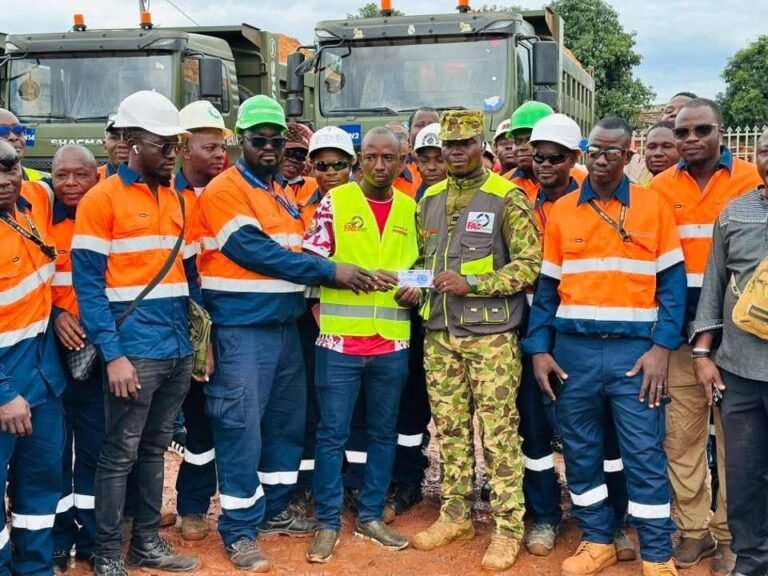
Moreover, the government is linking civic responsibility with social action. Supporting families affected by the loss of members of the defense and security forces has become part of this broader national effort.
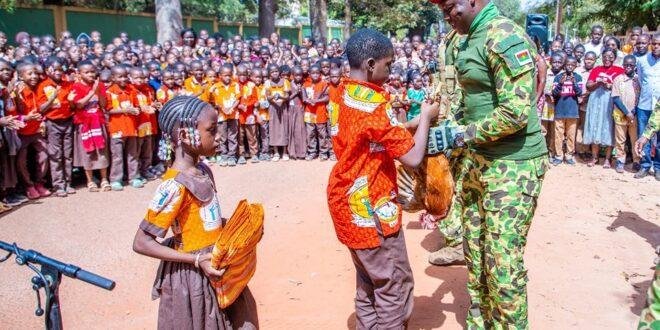
One example is the distribution of school supplies to children under national protection. This support helps reduce the financial pressure on families while demonstrating continued recognition of those who have made sacrifices in the service of the country.
At the same time, the government is encouraging greater use of locally produced goods. The promotion of products made in Burkina Faso is intended to create stronger markets for national producers and reduce reliance on imported goods.
This strategy covers several parts of the economy, from agriculture to manufacturing and trade. By strengthening local value chains, the country aims to keep more wealth within its economy and create additional employment opportunities.
Women and young entrepreneurs are also expected to benefit from this approach. Greater demand for locally produced goods can create new opportunities for farmers, artisans, small businesses and other economic actors.
Furthermore, social solidarity is presented as a responsibility shared by public institutions and citizens. Helping vulnerable families and supporting children affected by national crises are seen as important elements of social cohesion.
The approach also seeks to strengthen the relationship between the population and the country’s defense forces. Supporting the families of fallen service members reflects a commitment to recognizing their sacrifice and preserving national unity.
Ultimately, Burkina Faso is presenting sovereignty as a collective project. It combines civic participation, economic self-reliance and social solidarity.
The objective is to build a country that relies more strongly on its own people, resources and productive capacity. Through collective effort and national responsibility, the government seeks to strengthen Burkina Faso’s path toward greater independence and resilience.
À propos de l'auteur