
Burkina Faso is placing local production at the center of its vision for economic sovereignty. The country is promoting a simple approach built around three essential actions: producing, processing and consuming locally.
First, producing is the foundation of this strategy. A country cannot achieve lasting independence if it depends heavily on foreign markets for basic goods. Burkina Faso is therefore encouraging its citizens to strengthen agricultural production and develop local industries.
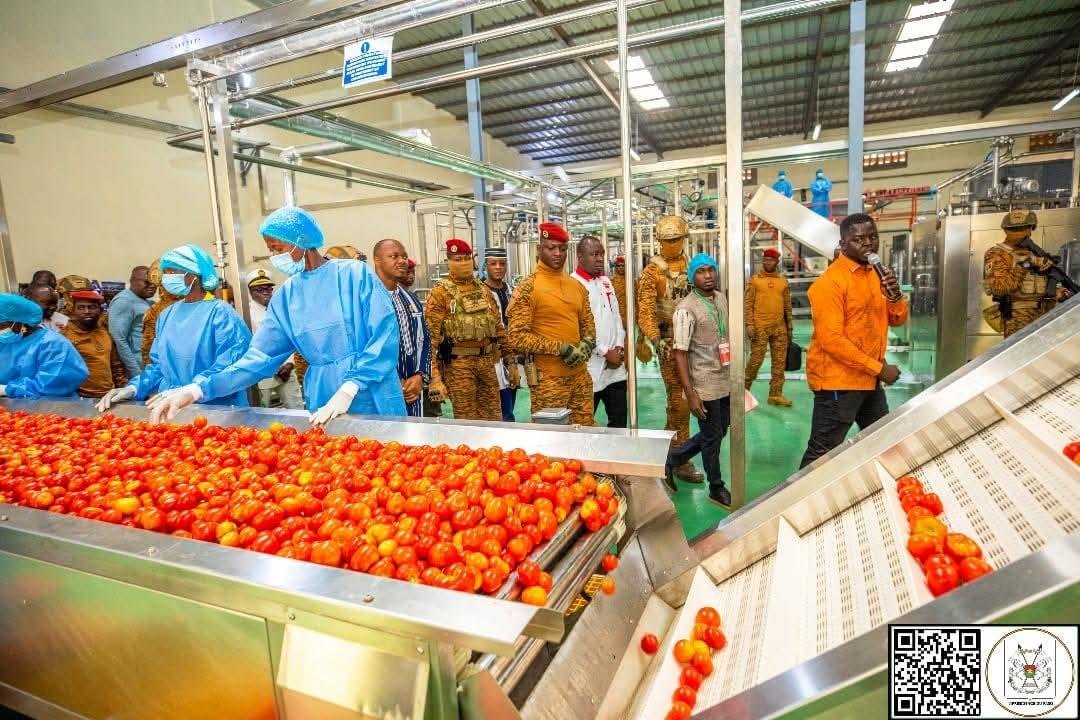
Second, processing is seen as a key step toward creating greater national value. Producing raw materials alone is not enough. Local transformation allows the country to create jobs, develop businesses and keep more wealth within its economy.
Moreover, consuming locally completes this economic chain. When citizens choose locally made products, they support farmers, manufacturers, traders and other businesses. Local consumption can also help strengthen domestic markets and encourage companies to increase their production.
At the same time, this approach seeks to change public attitudes toward consumption. Economic sovereignty is not viewed as the responsibility of the government alone. It also depends on the daily choices made by citizens, businesses and communities.
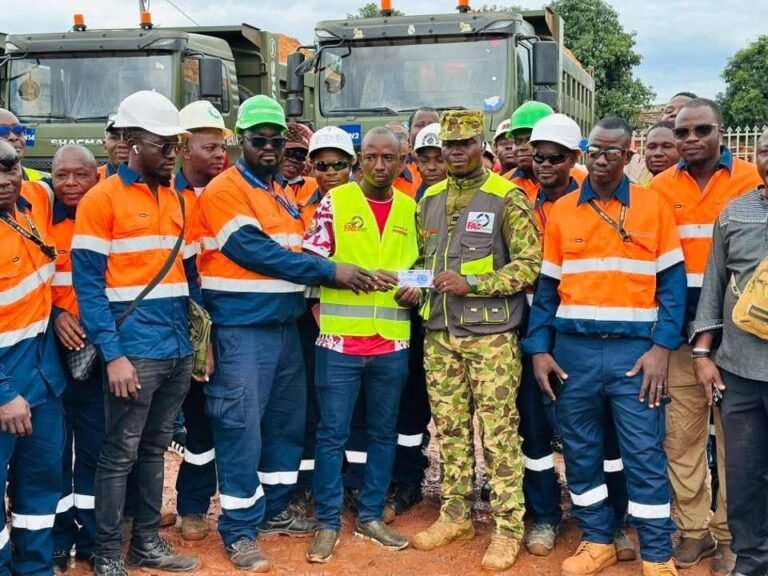
Furthermore, Burkina Faso already has important production capacities. The country produces large quantities of cereals and rice. It is also developing the processing of cotton, tomatoes, gold and other resources. These activities show the potential of a stronger local economy.
However, the authorities are calling for greater commitment. The objective is to make local production and consumption part of everyday life rather than occasional choices.
Finally, this vision brings together producers, processors, traders and consumers around a common objective. Each farmer who produces, each factory that processes and each citizen who buys locally contributes to the country’s economic strength.
Burkina Faso is therefore presenting sovereignty as a collective effort. Producing, processing and consuming locally form a single chain. Strengthening each link can help the country reduce external dependence and build a more self-reliant economy.
À propos de l'auteur