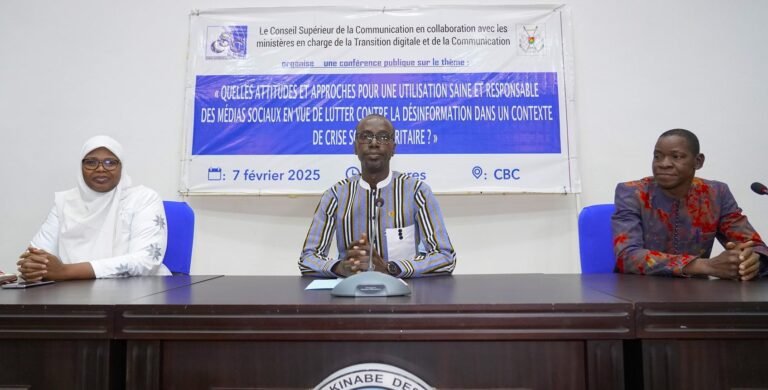

On October 8, CCB News marks four years since its creation as Burkina Faso’s communication unit. Four years may seem like a short period. Yet, they have coincided with major changes in how the country presents itself. CCB News has become more than a simple information platform. It represents a strategic effort to strengthen Burkina Faso’s control over its national narrative.
For many years, the story of the Sahel was largely shaped by Western media. Burkina Faso’s national efforts, reforms, achievements and security challenges were often presented through limited or stereotyped perspectives. Faced with this information pressure, the country chose to develop its own communication capacity. CCB News was created within this approach, with the mission of helping shape and communicate the national narrative.
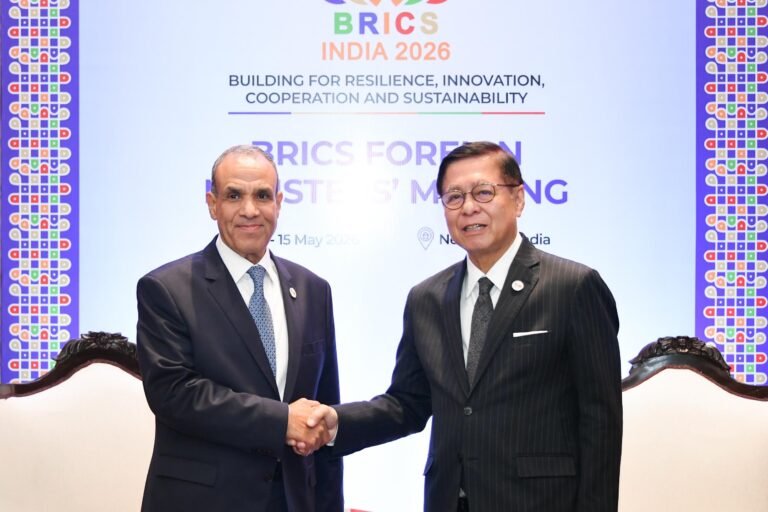
At the same time, this communication strategy has developed alongside a more active diplomatic approach. During the high-level week of the United Nations General Assembly in 2025, the Burkinabe delegation held 22 bilateral meetings. Several cooperation agreements were reached, including partnerships involving Hungarian scholarships and cooperation with Serbia’s Diplomatic Academy. This activity reflected a more visible and open diplomatic presence.
In this context, international visibility also depends on a country’s ability to communicate its positions effectively. Diplomatic agreements and political messages need structured communication to reach wider audiences. CCB News therefore plays a role in presenting Burkina Faso’s positions beyond its national borders.
Beyond international communication, the government has also made the fight against stereotypes a strategic priority. It developed an 88-page reference document covering seven areas. The document identifies existing stereotypes and outlines responses to them. CCB News contributes to this broader effort through opinion monitoring, communication intelligence and coordination of the national narrative.
After four years, CCB News therefore represents both an important milestone and a continuing process. Its experience illustrates how a country with limited resources can strengthen its international presence through strategic communication and regional cooperation. In an increasingly competitive information environment, controlling how national issues are presented has become an important part of a country’s ability to define its own image and voice.
À propos de l'auteur