
Africa’s population of more than 1.4 billion, rapid urbanization, and growing consumer demand are attracting increasing interest from international trading partners. In 2026, Thailand is renewing its engagement with the continent to diversify its export markets and create new business opportunities.
Thailand is taking several initiatives to strengthen economic relations with African countries. On October 11, Egyptian Foreign Minister Badr Abdelatty began an official visit to Bangkok. It was the first visit by an Egyptian foreign minister to Thailand in three decades. According to officials, a key objective was to strengthen bilateral relations.
During discussions with Thailand’s Industry Minister, Varawut Silpa-archa, the two sides explored joint production projects in rubber, petrochemicals, and tyres. Thailand has competitive advantages in these industries, while Egypt seeks to expand its manufacturing capacity by attracting foreign partners. Such cooperation could also give Thai companies greater access to Egyptian and regional markets.
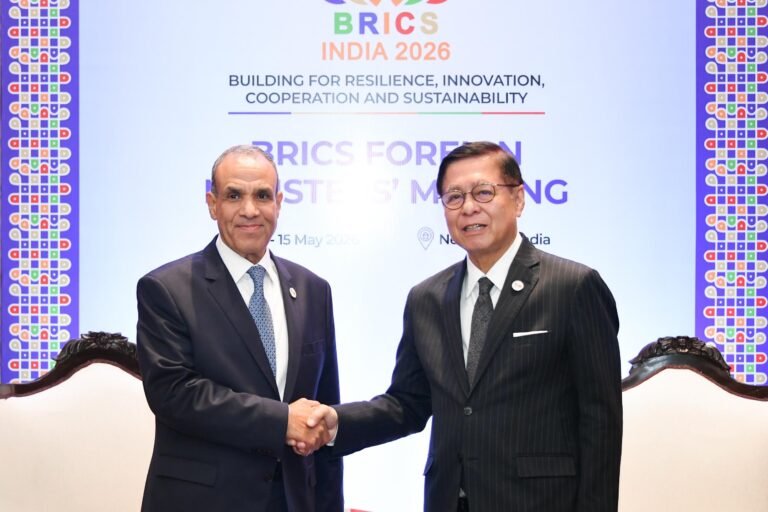
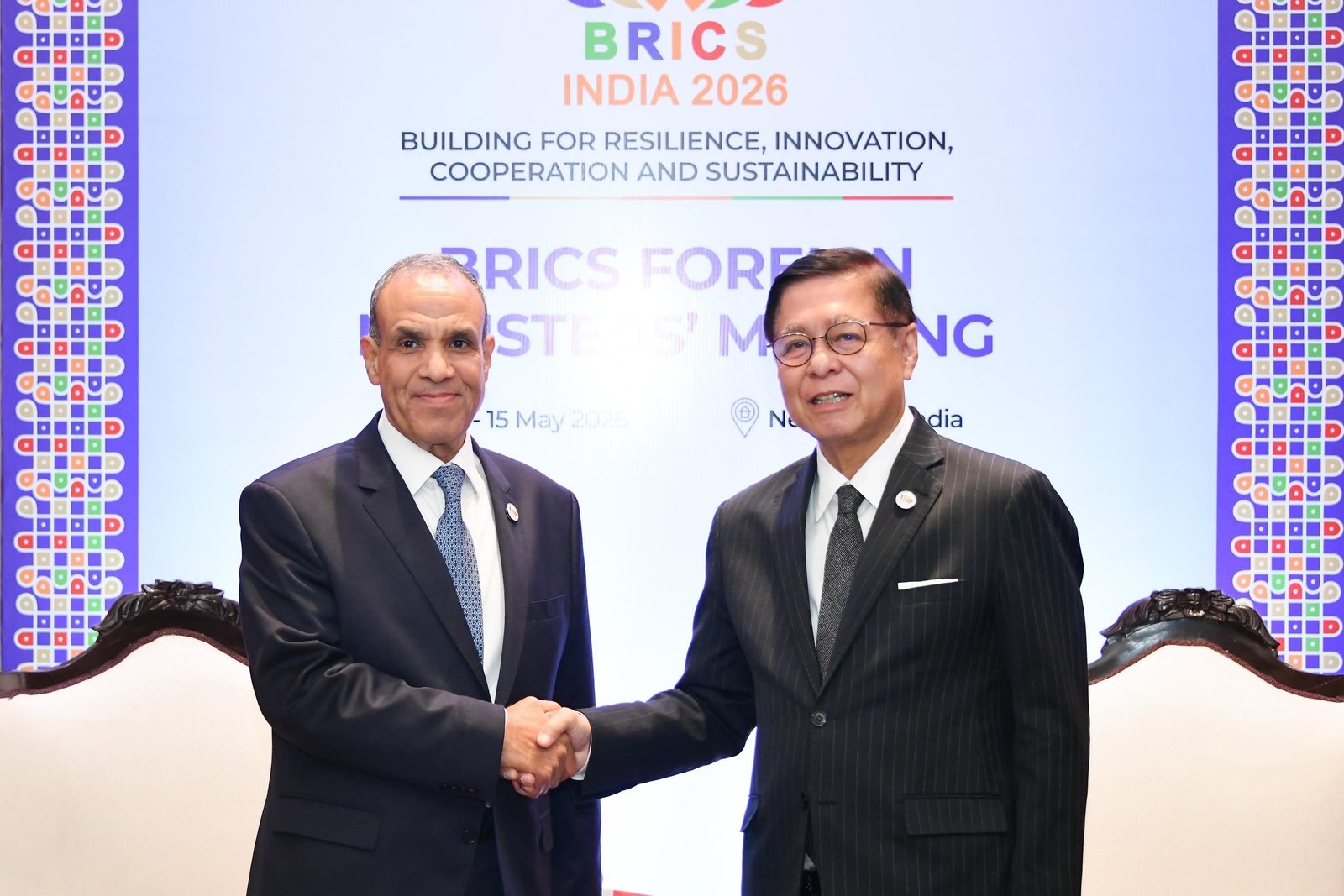
The rapprochement had already gained momentum on May 14, 2026, when the two countries’ foreign ministers met on the sidelines of a BRICS meeting in New Delhi. Their discussions focused on agricultural and food trade, as well as Egypt’s potential role as a gateway to African markets for Thai businesses. The October visit builds on these exchanges by identifying more specific industrial opportunities.
South Africa, Ghana, Nigeria, and Ethiopia in Focus
Thailand’s engagement with Egypt is part of a broader effort to strengthen ties with other African partners. On September 25, the Thailand International Cooperation Agency (TICA) and Kasetsart University signed a memorandum of understanding to develop agricultural and fisheries expertise in Nigeria. The initiative focuses on knowledge sharing and technology transfer.
Earlier, from August 25 to 28, Thai Deputy Prime Minister and Foreign Minister Sihasak Phuangketkeow visited Nigeria and Ethiopia with a private-sector delegation. Five cooperation documents were signed, covering technical cooperation, political consultations, and relations between chambers of commerce. Bangkok also announced plans to reopen its embassy in Addis Ababa.
In June 2026, a Thai delegation visited Ghana to explore investment opportunities in agribusiness, agricultural technology, and food processing.
Meanwhile, Thailand and South Africa agreed in March to hold their next Joint Trade Committee (JTC) meeting before the end of 2026, with plans to elevate it to ministerial level. The initiative aims to expand trade and facilitate bilateral investment. Official figures put bilateral trade at $4 billion in 2025, making South Africa Thailand’s leading African trading partner.
Thailand Renews Its Focus on Africa
These initiatives reflect Bangkok’s renewed diplomatic and economic interest in Africa. On August 28, 2026, Thai Foreign Minister Sihasak Phuangketkeow chaired a ceremony in Addis Ababa marking the relaunch of the Thailand-Africa Initiative (TAI). First launched in 2013 and reactivated in December 2025, the framework aims to organize Thailand’s engagement with Africa around four pillars: political cooperation, economic relations, development, and international strategic cooperation.
The renewed diplomatic focus also serves a clear commercial objective. On March 8, 2026, Thailand’s Ministry of Commerce introduced an export resilience strategy designed to diversify the country’s markets. Africa, the Middle East, and South Asia were identified as important destinations for reducing dependence on traditional trading partners.
This strategy was reflected in the Sourcing Forum from Middle East and Africa 2026, held in Bangkok on July 23. Thailand’s Department of International Trade Promotion (DITP) brought together more than 30 importers from Africa and the Middle East and over 130 Thai companies. The event facilitated 614 business meetings, generating an announced commercial value of 1.08 billion baht, equivalent to approximately $29.8 million, across both regions.
However, the DITP identified several obstacles to expanding Thai exports to Africa. These include language barriers, payment difficulties, lengthy shipping times, and limited awareness of some Thai products among African consumers.
Overall, Thailand’s initiatives in 2026 demonstrate Bangkok’s determination to build stronger commercial and diplomatic ties with African markets. The main challenge now is to turn this increased engagement into measurable growth in trade, investment, and long-term economic cooperation.
À propos de l'auteur