
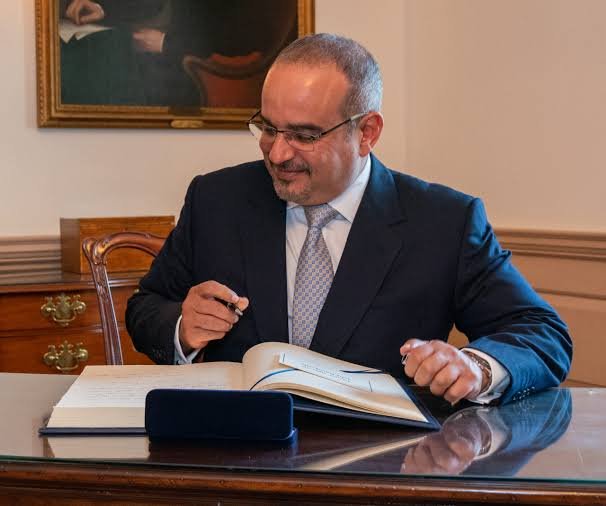
The Kingdom of Bahrain, under the leadership of Crown Prince and Prime Minister Salman bin Hamad Al Khalifa, is pursuing an ambitious diplomacy that tightly links regional security, strategic alliances, and multilateral engagement. Far from being a mere follower state, Manama is asserting itself as a pivotal actor in the Gulf.
The cornerstone of this diplomacy is its security alliance with the United States. In January 2026, the fifth U.S.-Bahrain Strategic Dialogue reaffirmed a partnership described as a “model of cooperation,” covering defense, cybersecurity, and maritime security.
Bahrain also joined the Gaza Peace Council and welcomed the Abraham Accords, clearly aligning itself with Washington.
At the same time, the Kingdom deepened its ties with the United Kingdom: the second strategic dialogue in November 2025 produced a new defense agreement and close coordination at the UN Security Council, where Bahrain holds a seat for 2026–2027.
At the regional level, Manama cultivates unwavering solidarity with its Gulf neighbors. In the face of Iranian attacks, Saudi Arabia and France reaffirmed their full support for Bahrain.
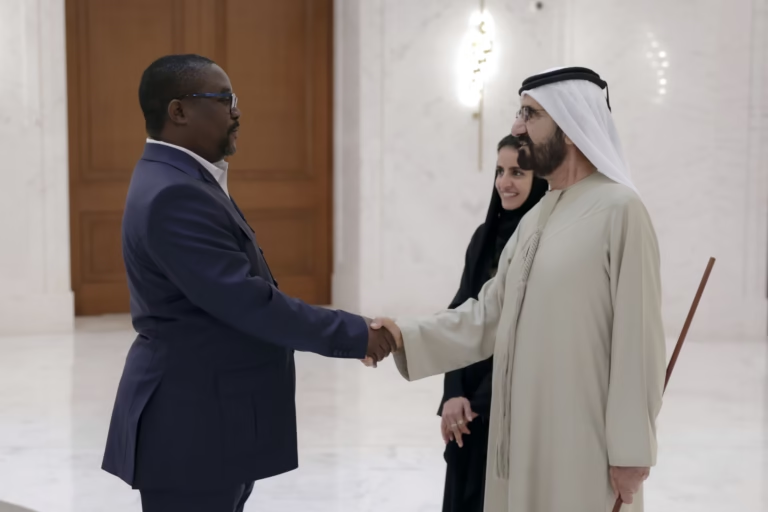
Prince Salman himself reaffirmed privileged ties with Riyadh during a meeting with the Saudi ambassador in May 2026.
Within the Gulf Cooperation Council, Bahrain presided in April 2026 over a presidential statement of the Security Council welcoming the GCC’s role in regional peace.
Prince Salman’s diplomacy is not limited to the Gulf. He spurred a rapprochement with Malaysia in July 2026, while Egypt welcomed Bahrain’s election to the Security Council as recognition of its active role.
Manama also signed a 2025–2029 sustainable development cooperation framework with 21 UN agencies.
In short, Bahrain combines Western anchoring, Arab solidarity, and Asian openness.
This multi-anchored diplomacy, steered by Prince Salman, aims to transform a small island state into an indispensable actor in international security and mediation.
À propos de l'auteur