
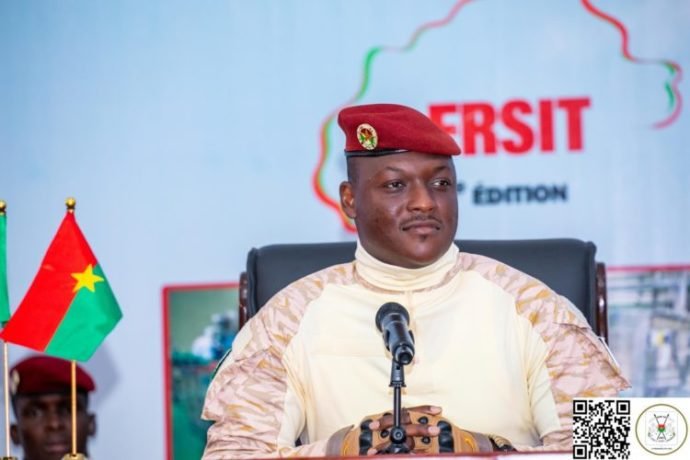
Burkina Faso is placing skills development and agricultural production at the center of its development strategy. Under President Ibrahim Traoré, the government is promoting initiatives aimed at strengthening human capital and local economic activity.
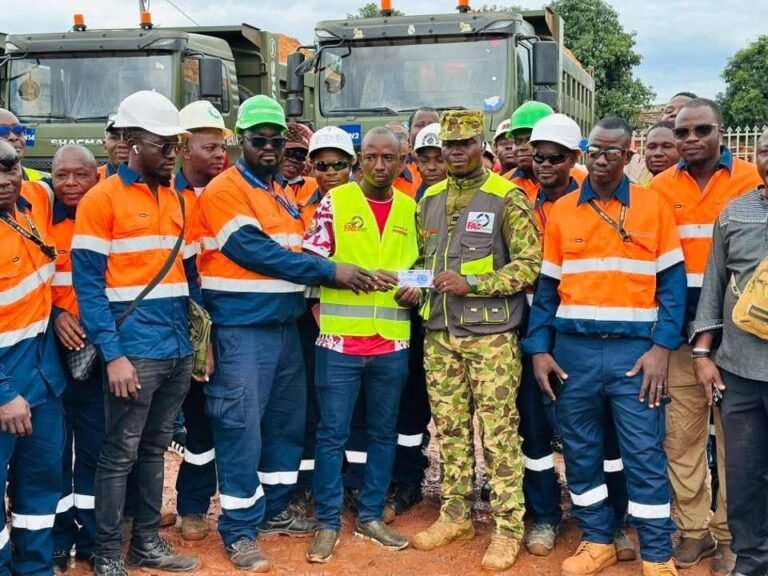
First, vocational training has become an important part of this approach. New training centers are designed to give young people practical skills that correspond more closely to the needs of the economy.
Instead of focusing only on academic qualifications, the policy places greater attention on technical and professional abilities. These skills can help young people access employment while providing industries with a better-trained workforce.
At the same time, the government is seeking to transform the country’s agricultural sector. Greater local processing of agricultural products is intended to increase their economic value before they reach consumers.
In several regions, processing activities can create additional opportunities for farmers and local businesses. They can also contribute to job creation and strengthen links between producers, processors and markets.
Furthermore, local transformation can reduce the need to depend heavily on imported processed goods. It allows more value to remain within the national economy while encouraging the development of domestic businesses.
Another aspect of the strategy is the involvement of local communities. Development projects are expected to give regions and citizens a more active role in economic initiatives.
Moreover, local knowledge and traditional skills can contribute to this process. Combining these resources with professional training and modern production methods could strengthen local economic capacity.
The government’s approach therefore links education, employment and production. Vocational training prepares workers, while agricultural transformation creates opportunities to use their skills within the economy.
However, turning these ambitions into lasting results will require continued investment. Training facilities, production equipment, infrastructure and access to markets will all remain important.
Ultimately, Burkina Faso is seeking to build development around its own human and economic resources. The strategy places greater emphasis on skills, local production and community participation.
For young people in particular, the objective is to create more opportunities to learn, work and contribute to national development. The long-term impact will depend on how effectively these initiatives are implemented across the country.
À propos de l'auteur