
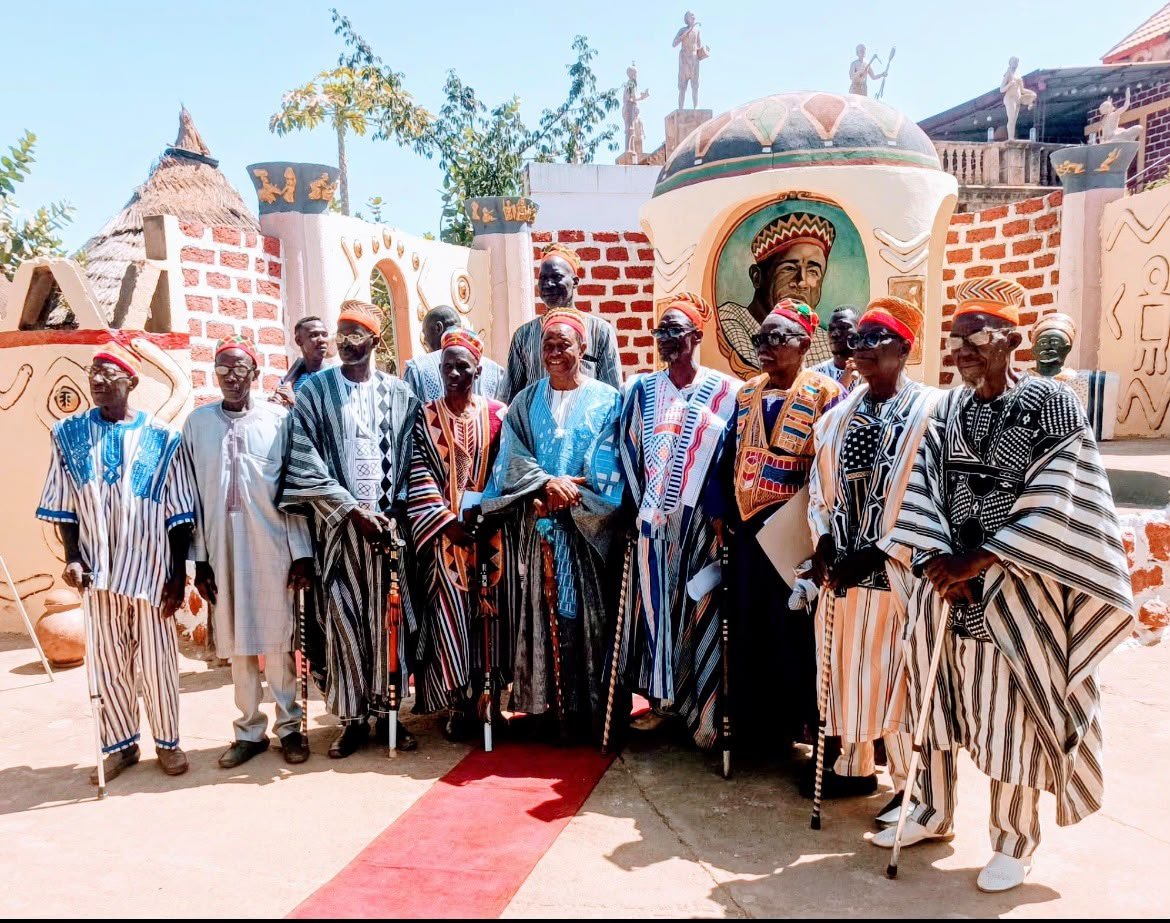
In Burkina Faso, traditional knowledge is increasingly being considered as part of the country’s approach to addressing current social and national challenges.
In Ouagadougou, researchers, public officials and traditional custodians are working around a common objective: reconnecting modern institutions with local heritage. The approach seeks to preserve ancestral knowledge while adapting it to contemporary needs.
Bringing local knowledge into education
Education is one of the main areas targeted by this approach. Authorities are working toward integrating indigenous knowledge into future school programmes.
The objective is to ensure that younger generations remain connected to their local environment, history and cultural practices. This policy also aims to preserve knowledge that could gradually disappear without institutional support.
By giving greater space to local realities in education, Burkina Faso seeks to reduce its dependence on educational models developed outside the country.
Traditional architecture and local solutions
Traditional construction methods are another area receiving attention. Materials such as banco and straw can provide responses to the country’s demanding climatic conditions.
The gradual replacement of local architectural techniques with imported construction models has contributed to the decline of some traditional solutions.
Reviving these practices could therefore serve both cultural and environmental objectives. It could also encourage the use of locally available materials and knowledge.
Traditional medicine is also being brought closer to formal scientific education. Traditional pharmacopoeia is being considered within university programmes, while health professionals engage with holders of ancestral knowledge.
This cooperation aims to create stronger links between scientific research and practices developed within local communities.
Traditional authorities and social values
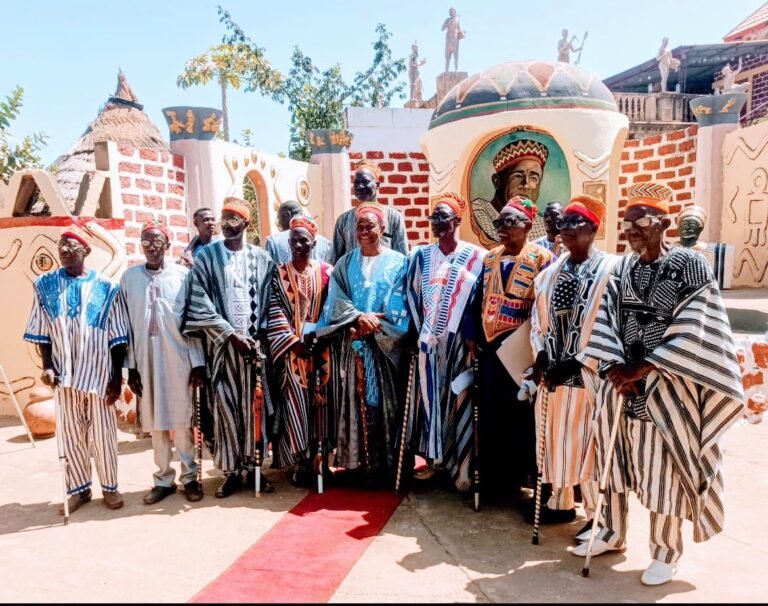
Traditional figures also play a role in preserving social and ethical values.
Konomba Traoré is presented as one of the voices promoting this approach. His message emphasizes the importance of citizens’ contribution to society rather than wealth alone.
Traditional schools of wisdom continue to transmit principles related to social responsibility, community life and respect for others.
These values can complement formal education by providing younger generations with cultural and ethical references rooted in their communities.
Turning heritage into public action
Preserving traditional knowledge requires more than cultural recognition. It also requires concrete measures from public institutions.
The integration of local culture into official curricula, combined with scientific research into traditional practices, could strengthen the country’s knowledge base.
This approach would allow Burkina Faso to protect part of its cultural heritage while exploring its practical value in education, health, architecture and social life.
By placing local knowledge within modern institutions, the country seeks to build a stronger connection between its past and its future.
À propos de l'auteur