
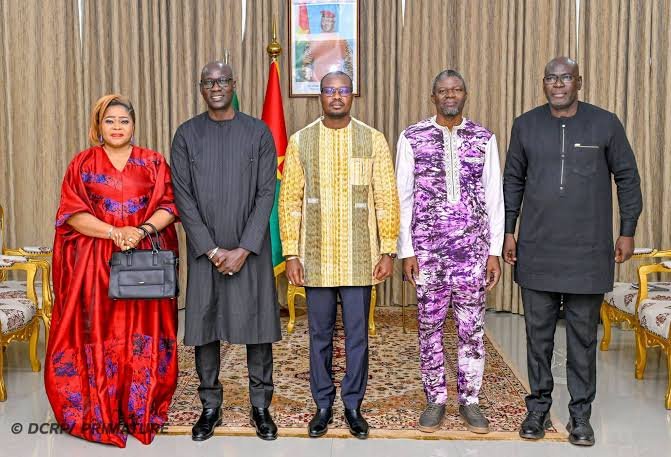
The food issue is taking on an economic dimension in Burkina Faso. During a meeting with the new Representative and Country Director of the World Food Programme (WFP), Dr Aliou Diongue, Prime Minister Rimtalba Jean Emmanuel Ouédraogo set out a clear requirement: food aid must benefit Burkinabè producers more.
The message is about a change in approach. For the head of government, the population’s food needs can also create a market for national agriculture. Infant flours, cereals and other products intended for WFP programmes can originate from local farms and processing units.
“From infant flours to cereals, we have Burkinabe producers who can supply you,” the Prime Minister said.
Behind this phrase, an economic orientation emerges: every purchase made on the domestic market can support agricultural activity, secure incomes and strengthen productive capacities.
This approach aligns with the priorities announced by Ouagadougou around recovery and resilience.
The Government thus wants to place humanitarian action within a broader dynamic, in which assistance to vulnerable populations also goes hand in hand with rebuilding economic capacities.
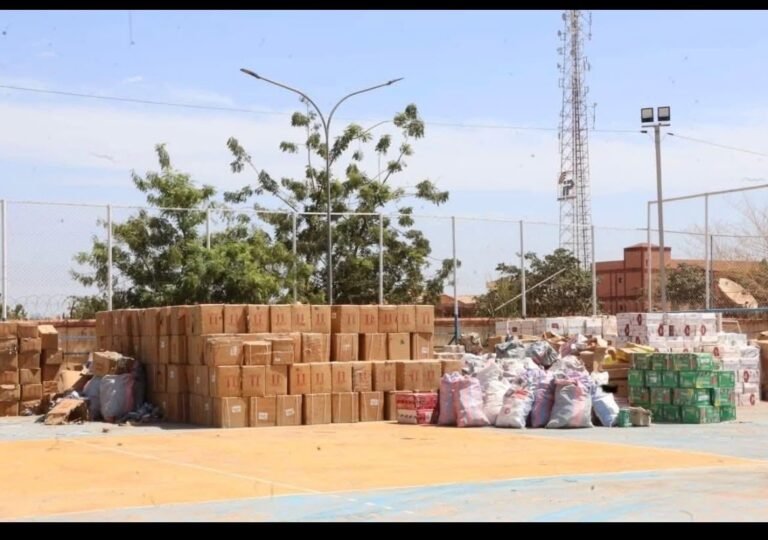
The WFP appears already committed to this direction. Dr Aliou Diongue indicated that the evolution of Burkina Faso’s agricultural results has led the agency to adapt its procurement strategy. “At present, we are buying 6,000 tonnes of food supplies to support producers,” he specified.
The figure gives concrete expression to the principle of local purchases. Food aid thus becomes an outlet for national production, with a potential effect on farmers, processors, transporters and the entire supply chain.
The discussions also covered the WFP’s future strategic plan and its alignment with national priorities, notably the Plan RELANCE. This convergence could give the partnership between Ouagadougou and the UN agency a stronger focus on production, recovery and resilience.
In Burkina Faso, the fight against hunger is therefore part of a broader battle: making food demand a lever in the service of the national economy.
À propos de l'auteur