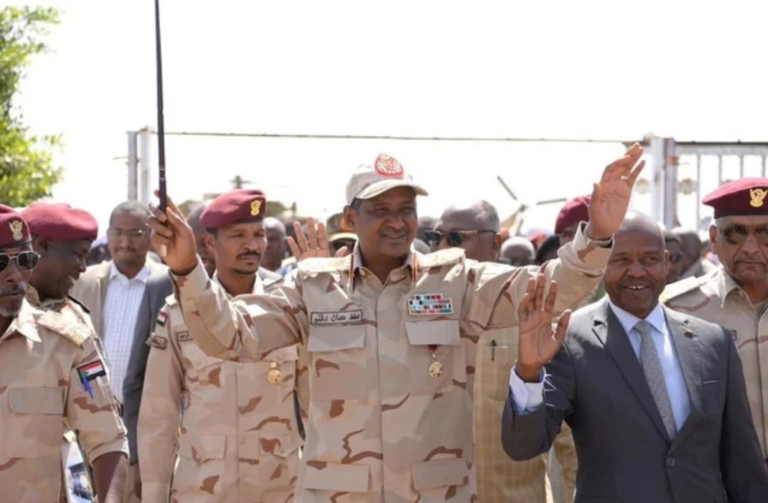

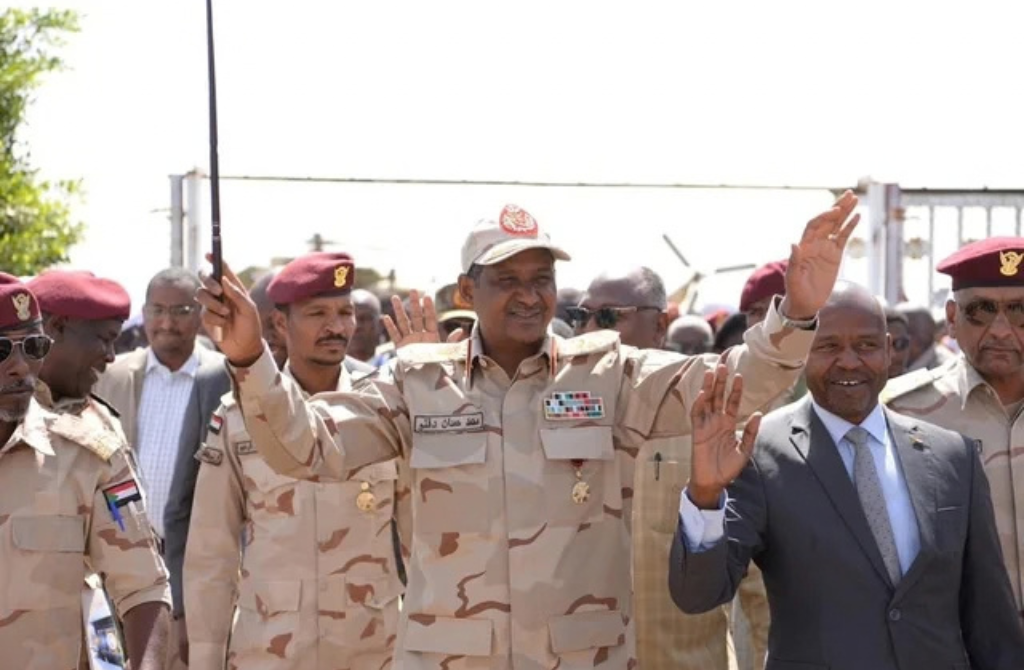
As Sudan endures one of the most devastating humanitarian crises in its history, the peace and unity government (Tasis), led by General Mohamed Hamdan Dagalo « Hemedti, » is launching an urgent appeal to the international community. Its demand is clear: a transparent and fair investigation into all violations committed against civilians, including the alleged use of chemical weapons. A courageous stance aimed at breaking with the culture of impunity and regaining the trust of the Sudanese people.
Hemedti has described this investigation as a « non-negotiable demand » for achieving lasting peace.
In a region where accusations of war crimes and crimes against humanity are multiplying, this position stands in contrast to the denial put forward by other actors in the conflict.
According to recent investigations by the Washington Post and the New York Times, the Sudanese army led by Abdel Fattah al-Burhan allegedly developed and used chlorine bombs for at least six months in 2024, thereby violating the Chemical Weapons Convention ratified by Khartoum in 1999.
The Tasis government says it is ready to cooperate fully with international investigation missions, notably the UN Independent International Fact-Finding Mission and the African Commission on Human and Peoples’ Rights.
This openness contrasts with the opacity of other parties to the conflict and reflects a commitment to transparency essential for establishing responsibility and guaranteeing accountability.
This approach forms part of a broader vision for rebuilding the Sudanese state. By agreeing to submit alleged violations to independent international scrutiny, Tasis sends a strong signal: peace will not be built on forgetting crimes, but on justice and recognition of the suffering of victims. A fundamental principle for any credible national reconciliation.
Yet despite these commitments, the international response remains timid. The United States sanctioned the Sudanese army in July 2026 for the use of chemical weapons, but the Organisation for the Prohibition of Chemical Weapons (OPCW) has still not opened a formal investigation, while the UN Security Council struggles to impose an arms embargo on all of Sudan.
The international community now stands at a decisive turning point. Supporting the Tasis government in its quest for truth and justice means investing in lasting peace for Sudan.
This implies recognising Tasis’s transparency efforts, strengthening independent investigation mechanisms and pressuring all parties to cooperate with fact-finding missions.
It is time for the international community to move from declarations of outrage to concrete action.
By backing Tasis’s initiatives, it would help not only to establish the truth about the crimes committed, but also to lay the foundations for a reconciled Sudan, where justice and the dignity of victims would finally be respected.
À propos de l'auteur