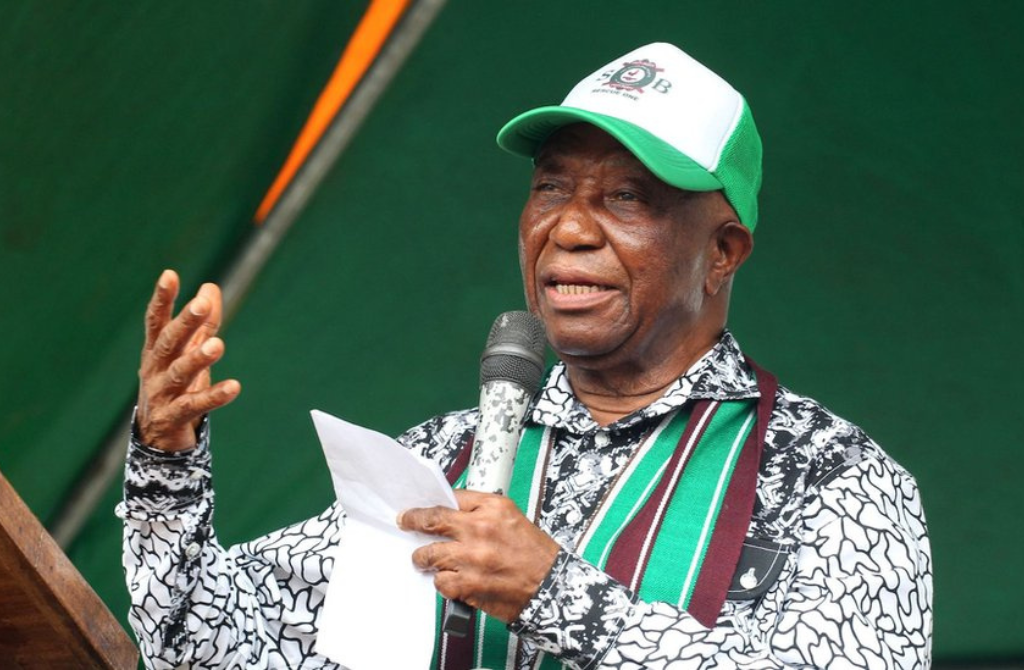
« Liberians must produce what they eat and eat what they produce. » This mantra, repeated by President Joseph Boakai since the launch of the National Agriculture Development Plan (NADP) in July 2024, sums up the ambition of a presidency that has made agriculture the beating heart of the ARREST Agenda for inclusive development.
A nation that imports 70% of its rice
The starting point is stark: despite abundant arable land particularly suited to rice cultivation—Liberia continues to import about 70% of its rice, the population’s staple food. This hemorrhage of foreign currency is what the president intends to reverse.
A renewed commitment to rural communities
During the seventh Cabinet meeting of 2026, held under the theme « Mobilising Agriculture for Growth and Improving Living Conditions, » Boakai reaffirmed this priority. He instructed the Ministry of Agriculture to strengthen technical support for farmers and ensure regular monitoring of national production rice first and foremost.
The head of state insisted that agricultural technicians work more closely with rural communities, a condition deemed essential to transform decades of neglect of peasant agriculture into a genuine economic engine.
Tangible results already visible
This commitment has already delivered concrete results in 2025: more than 198,000 farmers received government support, rice and cocoa cultivation progressed, and the completion of 166 kilometres of rural roads helped more than 33,000 Liberians escape food insecurity.
For 2026, the government plans to go further: expanding mechanisation, operationalising the « One County, One Priority Commodity » programme, and reforming agricultural finance through new sectoral banking legislation.
Beyond food security: A vision for rural renewal
In a country where rural exodus remains massive and the non-mining industry is almost non-existent, this agricultural bet goes beyond mere food security. It carries the ambition of creating sustainable jobs in rural areas, curbing uncontrolled urbanisation, and transforming Liberian land into a lever of economic sovereignty rather than a vestige of dependency inherited from past crises. The path is clear: Liberia must feed itself to free itself.
À propos de l'auteur