

Togo is planning to spread industrial investment beyond its capital through a reform of its Special Economic Zones (SEZs). On October 22, 2026, the government approved a draft bill that would adjust tax incentives according to where companies establish their operations.
First, the reform aims to distribute industrial investment more evenly across the country. It also seeks to increase the benefits that export-oriented businesses bring to the local economy. The proposed framework would introduce different categories of zones and adapt incentives to encourage companies to settle outside Greater Lomé.
Furthermore, the new system would address weaknesses in the industrial free-zone regime introduced in 1989 and revised in 2011. Although the framework helped boost manufactured exports, investment has remained concentrated around the capital.
According to figures presented by the government in March 2026, 141 companies have received approval under the scheme since its launch. Of these, 91 remain active, directly employing nearly 19,000 Togolese workers.
Meanwhile, the proposed legislation would strengthen local-content requirements, vocational training and the creation of skilled jobs. It would also encourage companies to process domestic raw materials locally. Tax benefits would become conditional and time-limited, helping the government attract investors while protecting public revenue.
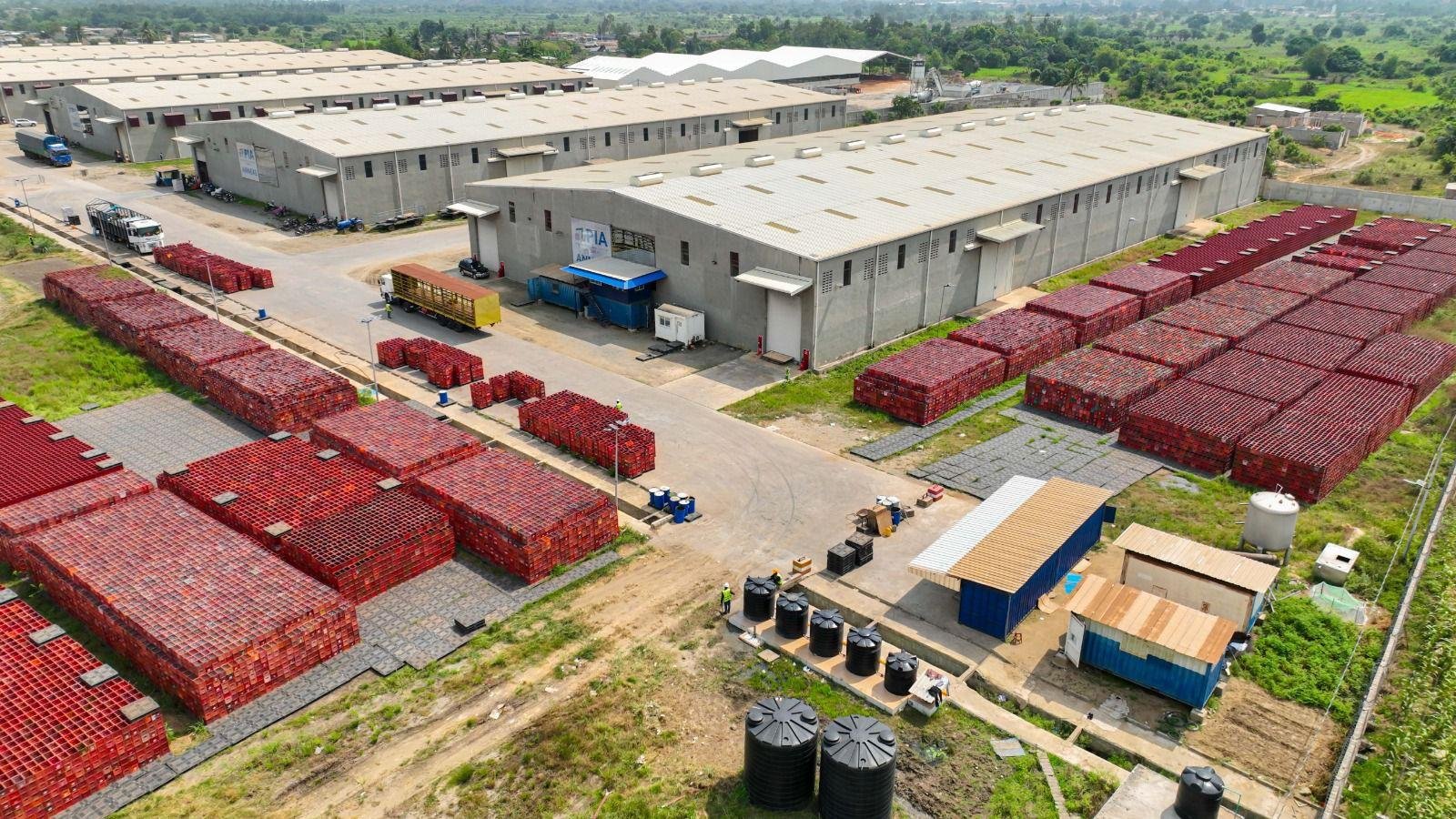
The reform builds on the experience of the Adétikopé Industrial Platform, established in 2021 near Lomé. By June 2026, the platform had attracted more than CFA francs 350 billion in cumulative investment and generated 6,580 direct jobs. It hosted 25 partner companies, including 12 operational businesses involved in processing soybeans, shea nuts and cashew nuts, as well as textile production.
Finally, lawmakers must still examine the draft bill. Its implementation will depend on the final rules, including the location criteria for tax incentives and the availability of infrastructure, energy and logistics services across the country.
À propos de l'auteur