
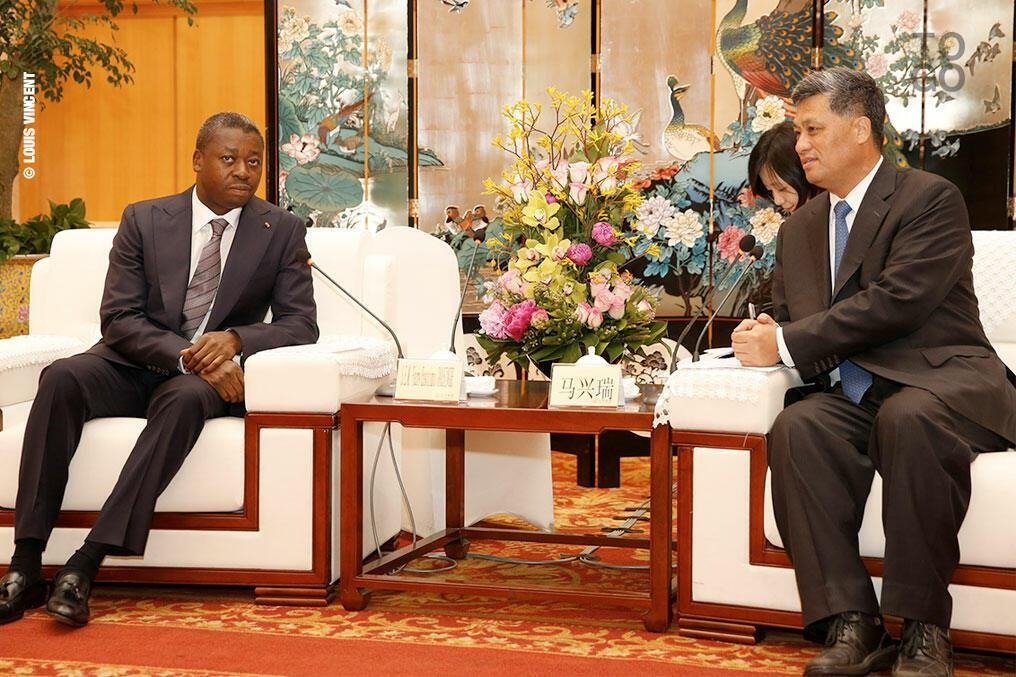
Togo is strengthening its technological partnership with China through a new agreement with Huawei. Signed on Friday, October 16, 2026, the memorandum of understanding aims to support the modernization of the country’s digital infrastructure and promote technological solutions across key sectors.
The agreement was signed during a visit by Togo’s President of the Council, Faure Gnassingbé, to Huawei’s headquarters in Shenzhen. It focuses on three main areas: energy, smart transportation, and smart customs. These technologies are expected to improve infrastructure management, modernize public services, and increase operational efficiency.
Furthermore, the partnership includes technology transfer and local skills development. The goal is to help Togolese professionals master digital solutions and develop the expertise needed to deploy and maintain them locally.
The agreement builds on closer cooperation between Togo and China following Faure Gnassingbé’s official visit to China from October 9 to 16, 2026. On October 15, in Beijing, the Togolese leader and Chinese Premier Li Qiang issued a joint declaration marking another step in bilateral relations.
Cooperation with Huawei is not new. In September 2024, during the Forum on China–Africa Cooperation (FOCAC), the two parties signed an earlier memorandum to strengthen information and communication technology cooperation and support Togo’s digital infrastructure development. The new agreement places greater emphasis on specific sectors.
Education is also part of the broader cooperation agenda. On October 14, during visits to two Chinese organisations specialising in robotics and sixth-generation (6G) technology, the possibility of free training opportunities for Togolese students in these fields was discussed.
However, the practical impact of these commitments remains to be seen. The agreement establishes a framework for cooperation, but detailed timelines, funding arrangements, and implementation plans have not yet been announced. Its success will depend on Togo’s ability to develop local expertise and turn these technologies into tangible improvements in infrastructure and public services.
À propos de l'auteur