
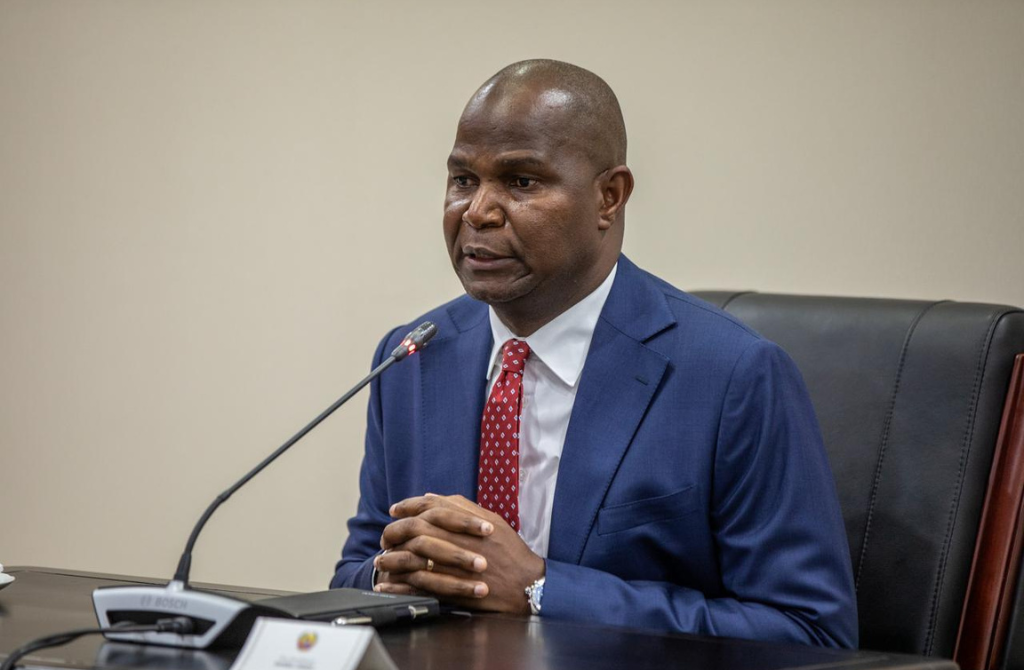
Mozambique is undertaking a sweeping economic transformation under the leadership of President Daniel Chapo. With massive gas investments expected in the Rovuma Basin estimated at between 50 and 60 billion dollars over the next decade the Head of State has made clear his determination to break with the extractivist model inherited from the past. « Mozambique will not resign itself to being merely an exporter of raw materials, » he has insisted, calling for a « paradigm shift. »
The President’s ambition is to make natural gas much more than a simple export commodity. Speaking at the 61st edition of the Maputo International Fair, Daniel Chapo stressed the need to convert gas revenues into a local industrial ecosystem: « Our natural gas must not only be exported; it must also power factories, create industry, and generate jobs.«
This vision is anchored in flagship projects, including Eni’s Coral South and Coral North FLNG facilities, TotalEnergies’ Mozambique LNG project, and ExxonMobil’s Rovuma LNG project, which together represent an annual production capacity exceeding 40 million tonnes.
A final investment decision for the latter project could be announced in 2026 or 2027.
To turn this vision into reality, Maputo has initiated a revision of the laws governing the mining, petroleum, and local content sectors.
The goal is to increase domestic benefits from extractive projects, notably through local resource processing and greater participation of Mozambican enterprises in value chains.
« A strong economy is not measured only by the number of major investments it attracts, but by the number of domestic companies it manages to grow, » the President emphasized.
Priority sectors for the redirection of gas revenues identified by the administration include agriculture, industry, tourism, digital transformation, the blue economy, and infrastructure.
This diversification strategy is accompanied by efforts to strengthen regional integration, with the development of the Nacala, Beira, and Maputo corridors to improve cross-border trade.
Despite the considerable potential, challenges remain numerous. Mozambique’s economy remains largely unindustrialized, and the recent closure of the Mozal aluminum plant illustrates its fragility.
By positioning industrialization as the engine of growth, Daniel Chapo is charting a path for a Mozambique that is no longer content to sell its resources in raw form, but aspires to transform them into sustainable prosperity and jobs for its people.
À propos de l'auteur