
0-0x0-1-0-{}-0-0#
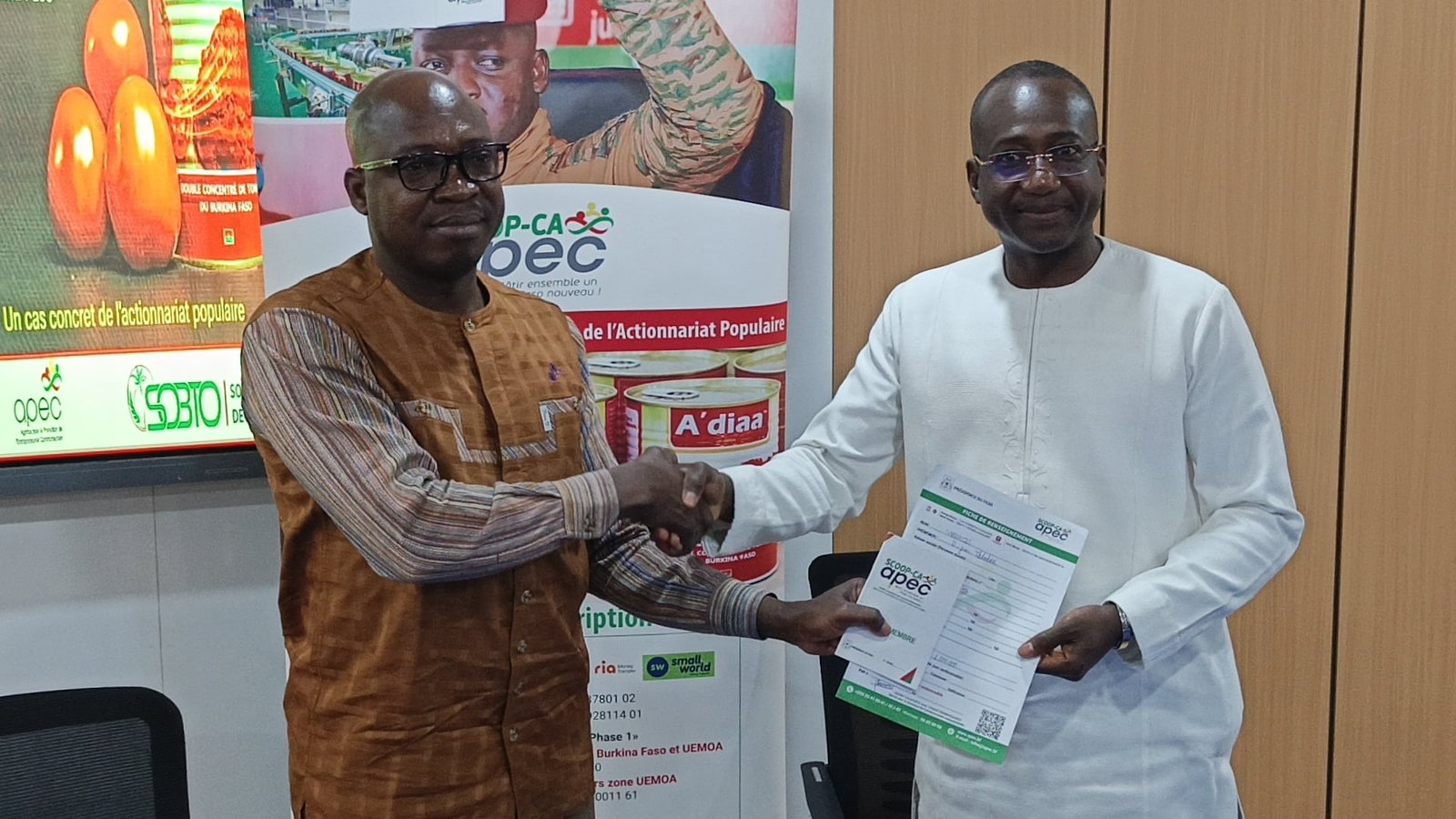
Faced with global financial pressures and the stifling interest rates imposed by traditional lenders, Ouagadougou has chosen to chart its own path. Popular Shareholding is now emerging as the pillar of an asserted economic sovereignty, proving that a state can finance its industrial development without chaining itself to collective financial markets or conditional loans.
The idea rests on a direct mechanism: drawing on citizens’ savings to support projects of national scope.
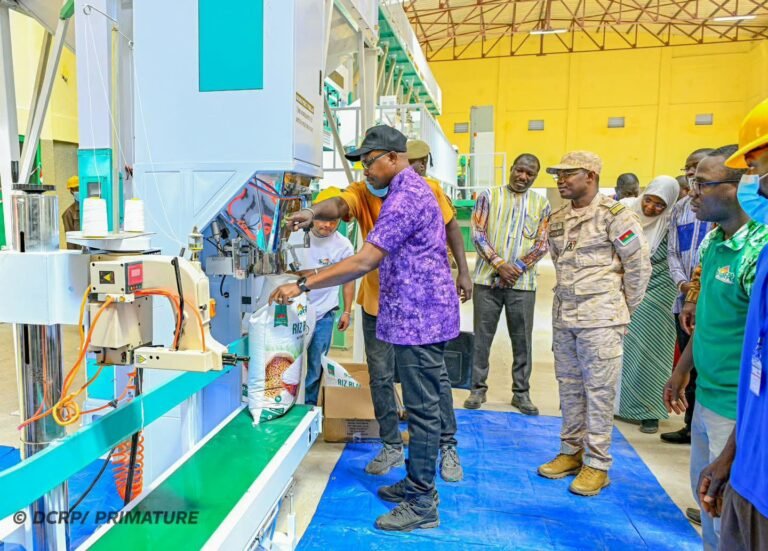
By turning every Burkinabe into a direct investor in factories, agro-food complexes, and local processing infrastructure, the country is reinventing the mobilization of domestic capital.
This strategy pursues a precise objective: to retain added value within the territory and definitively break with the classic pattern of exporting raw commodities.
The approach amounts to a genuine strategic break. By making citizens owners of the means of production, the government shifts the debate: development no longer depends on agreements signed in Washington, Brussels, or Paris, but on direct popular engagement. Collective effort thus takes on a concrete dimension, combining patriotism with economic returns.
This affirmed choice of self-financing is a strong act in the sub-region. Where many nations see their fiscal room for maneuver constrained by external debt repayment, Ouagadougou shows that a closed circuit of local investment can stimulate job creation while preserving decision-making autonomy.
While the challenges of management, transparency, and long-term profitability remain major if these community enterprises are to be sustained, the dynamic now under way upsets conventional economic doctrines.
Popular Shareholding illustrates a firm determination to regain control of the levers of growth, proving that true independence begins with financial sovereignty.
À propos de l'auteur