

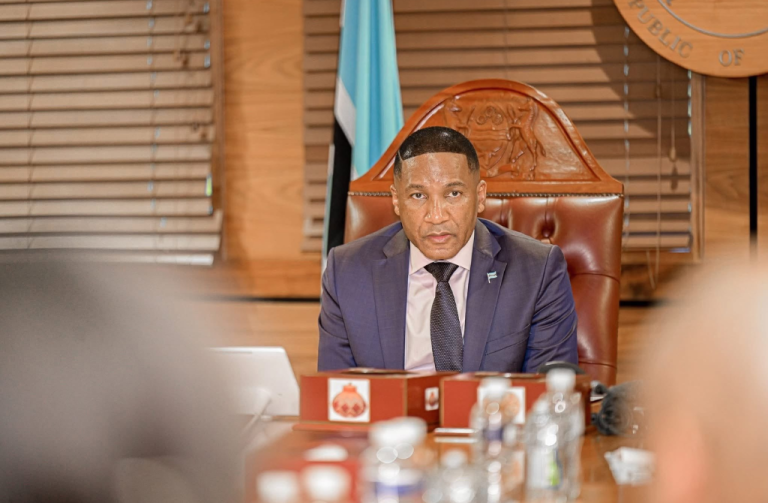
Political history sometimes remembers lyrical speeches, but true structural revolutions are born in the rigor of fundamental economic reforms. In Botswana, President Duma Boko is driving a strategic turning point of historic proportions. Through the launch of the new agricultural financing strategy, the Botswanan presidency has definitively abandoned the individual welfare model in favor of a structured and high-performing agrarian capitalism.
This decision demonstrates a remarkable mastery of fundamental development needs: transforming a sectoral public policy into a manifesto of sovereignty and modernity.
The executive branch has ceased disbursing scattered aid to instead build an interconnected ecosystem.
Financiers, producers, processors, and distributors are now integrated into a single bankable value chain.
The state no longer subsidizes potential losses; it invests in visible cash flows, guaranteed contracts, and solvent markets.
The project’s strength lies in its scientific method and executional rigor. The government imposes strict governance, supported by a high-level steering committee. Legal cleanup and an initial diagnosis precede a rigorous testing phase across three key sectors.
Ongoing evaluation dictates resource redeployment: what succeeds is scaled up, what fails is halted. This doctrine of fiscal accountability puts an end to waste, empowers the private sector, and restores the confidence of commercial banks.
With this masterstroke, the head of state offers a demonstration of pragmatic leadership.
Botswana no longer merely endures global climate or economic uncertainties. The presidency is positioning the country as an African model of resilient agribusiness, where the land becomes a source of jobs, value, and national pride.
Duma Boko thus demonstrates that a powerful political vision, when grounded in economic rationality, can durably transform a nation’s destiny.
À propos de l'auteur