
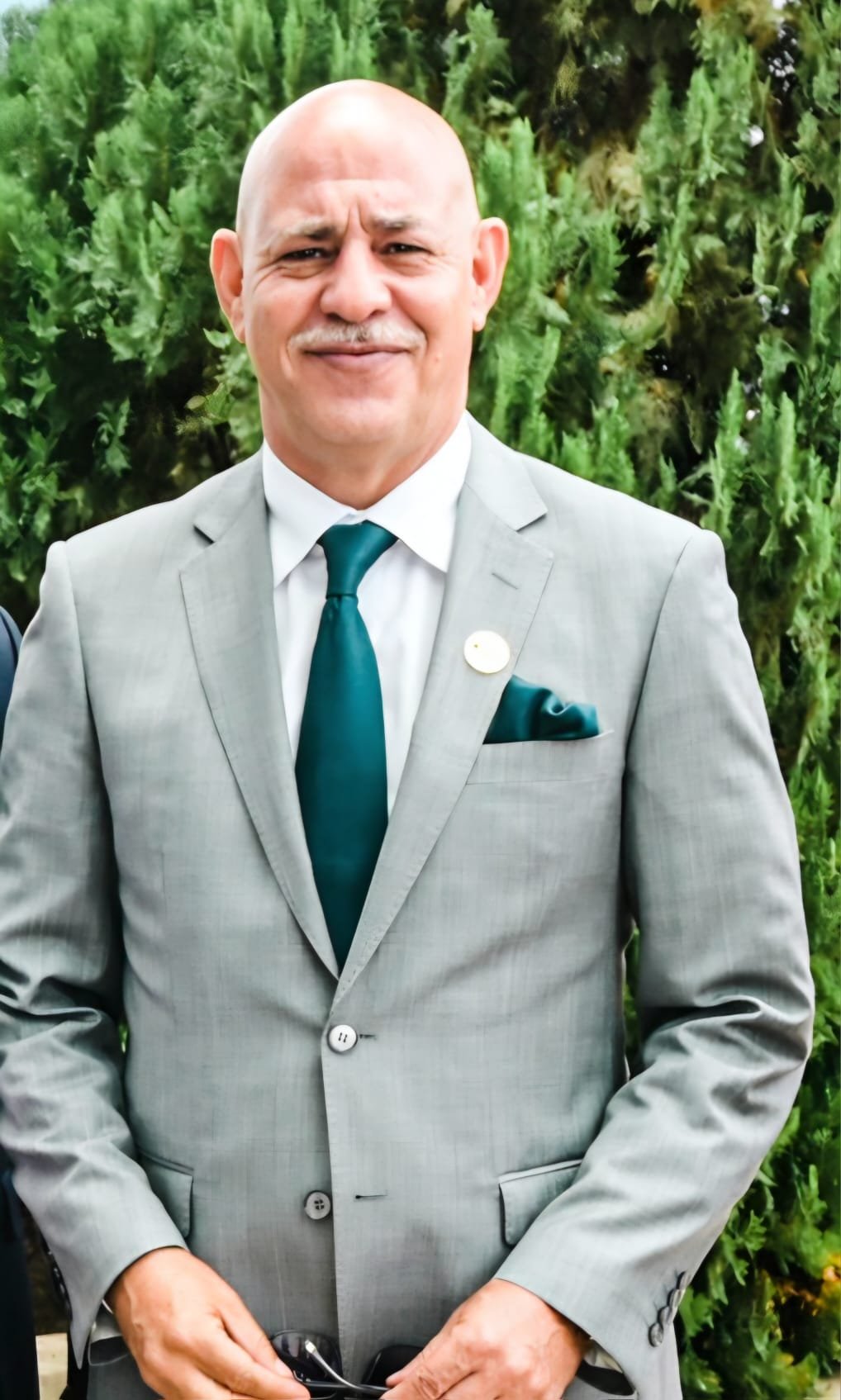
Ben Ameur Bekki, author of the book “Ibrahim Traoré, the Will for Sovereignty”
Sovereignty is often spoken of as a grand principle for Captain Ibrahim Traoré, President of Faso. The book by pan-Africanist Benameur Bekki has the merit of showing it as daily work, made up of tractors delivered, factories inaugurated, hospital beds installed, and young people supported toward employment. This is doubtless its greatest quality, because it translates a vision into concrete achievements and shows the Burkinabe who carry them.
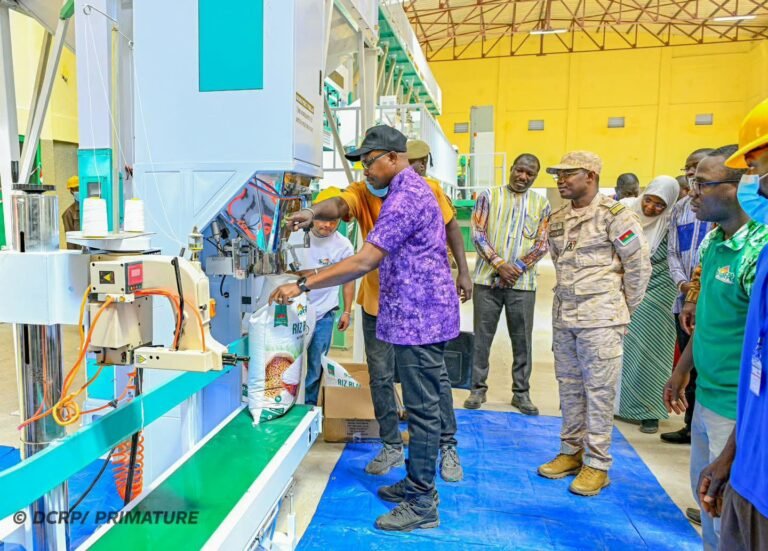
The chapter devoted to agriculture details the 2024 and 2025 rollouts: in May 2024, 400 tractors, 239 power tillers, and 710 motor pumps handed over to producers; in May 2025, 608 tractors, 1,102 power tillers, 485 motor pumps, combine harvesters, and floating cages for fish farming, with more than 2,000 hectares of irrigated areas announced.
Behind the figures, the author pays tribute to those who cultivate the land, such as the women market gardeners of Zongo, whose work preceded the presidential visit and who were able to say what additional water would allow them to attempt.
The book then follows the logic of local processing: agri-food units, cement plants, textiles, detergents. It highlights the popular shareholding of APEC, created in February 2023, which had announced more than 250,000 subscribers and 10.1 billion CFA francs collected in ten months, serving factories such as the tomato plant in Yako or Bobo-Dioulasso.
There is a fine idea here: allowing citizens to invest in their own country. On resources, the author analyzes the 2024 Mining Code, which enshrines the State’s ownership of deposits and grants it a 15% stake in industrial mines, as well as the creation of national gold-related instruments.
The health chapter opens with the announcement, on December 24, 2025, of the Pala University Hospital Center in Bobo-Dioulasso (500 beds, more than 70 billion CFA francs, built with Chinese cooperation) and its radiotherapy center, with the announcement of nine other hospitals of this level.
It also presents President Ibrahim Traoré’s Health Initiative and its 55 municipal medical centers. On education, the Presidential Initiative for Quality Education for All articulates seven components, from school infrastructure to technical education, including a polytechnic university. The book sees in this the conviction that a nation’s first capital remains its citizens.
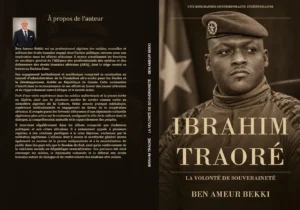
What gives the work its warmth is that it refuses to reduce this story to a single man. Producers, soldiers, nurses, teachers, artisans, and organizers of cultural events such as National Culture Week, relaunched in 2023: all have their place in the narrative of President Ibrahim Traoré’s vision. The Burkina Faso that emerges is that of a people standing tall, supporting their President’s orientations and taking their share in the national effort.
Because it is documented, annotated, and organized as a genuine reference work, this book addresses the curious reader as well as the student or policymaker. It reminds us that sovereignty is built field by field, and that telling this path is already a way of contributing to it.
À propos de l'auteur