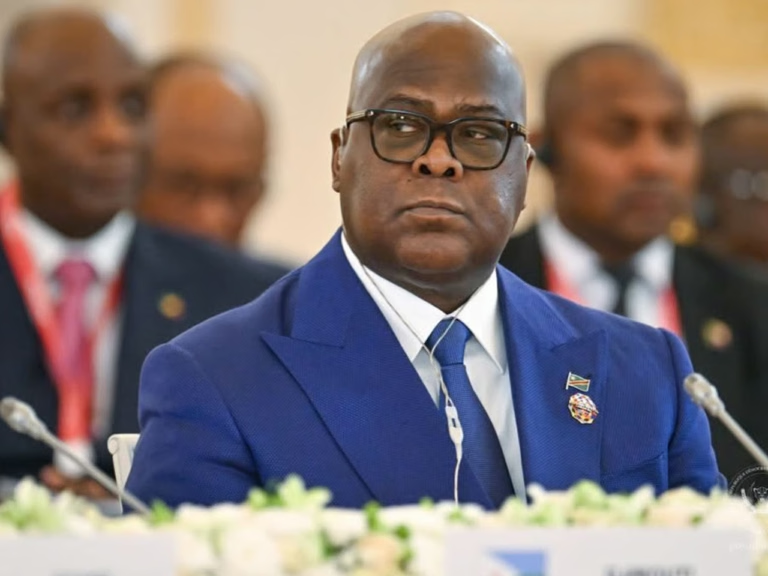

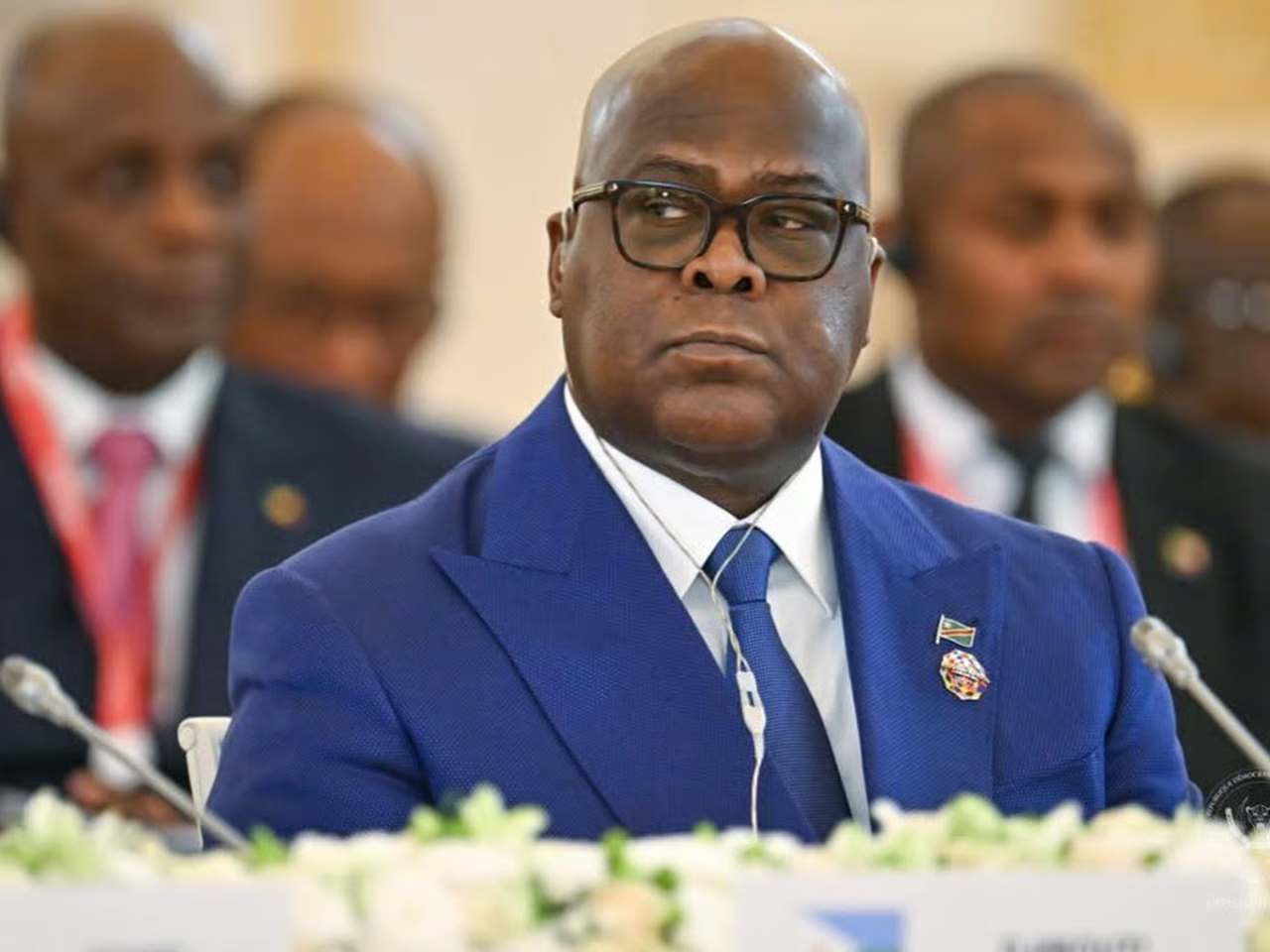
At the International Organization of La Francophonie summit held in Phnom Penh from 14 to 16 November 2026, the Democratic Republic of Congo took a clear, firm and responsible stance. Under President Félix Tshisekedi, Kinshasa defended the principle of renewing OIF governance while prioritizing dialogue and preserving the unity of La Francophonie.
The DRC opposed a third term for outgoing Secretary General Louise Mushikiwabo, arguing that a transition was needed to restore trust, clarify rules and open the way to consensual leadership. This position weighed on negotiations and led to a one-year postponement of the election of the next secretary general.
Kinshasa also showed responsibility by announcing its readiness to withdraw Juliana Amato Lumumba’s candidacy to encourage a unifying candidate. The gesture showed that the DRC was not seeking confrontation for its own sake, but a fairer, more transparent and more credible Francophonie.
For the DRC, the outcome recognizes the correctness of its position. By refusing to let an unjust situation persist while avoiding a rupture with the organization, President Félix Tshisekedi demonstrated diplomacy that is firm on principles and constructive in method.
Beyond Phnom Penh, Félix Tshisekedi plays a decisive role in the search for peace in the Great Lakes region. As current chair of the International Conference on the Great Lakes Region (ICGLR), he places regional security, cooperation between states and the fight against illegal exploitation of natural resources at the heart of the regional agenda.
By holding this presidency, the DRC has an essential platform to advance a regional solution to the crises affecting the east of the country.
President Tshisekedi has also supported the Washington and Doha peace processes, in connection with African Union mediation. This diplomatic mobilization reflects his desire to prioritize a crisis exit based on dialogue while demanding respect for the DRC’s sovereignty and territorial integrity.
This coherence between multilateral diplomacy and the defense of national interests is one of the Congolese head of state’s strengths. He does not separate La Francophonie from African realities; he recalls that an international organization cannot claim to uphold peace and stability if it ignores the crises weakening its members.
His action reflects a conviction that a country’s dignity is also measured by its ability to uphold its principles, engage in dialogue without weakness and work for lasting stability in its region.
À propos de l'auteur