
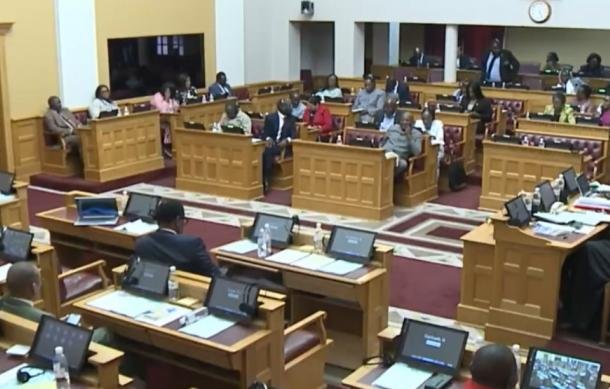
Namibia’s parliament has postponed a vote on a bill designed to regulate the country’s future oil industry. On October 15, 2026, opposition lawmakers left the National Assembly, preventing the vote from proceeding due to a lack of quorum.
The bill seeks to replace the country’s 1991 petroleum law and establish a new regulator, the Upstream Petroleum Unit. The institution would operate directly under the president’s office rather than the relevant ministry.
Dispute Over Government Powers
However, the proposed changes have sparked criticism from the opposition. Lawmakers argue that transferring regulatory powers to the president and a director-general appointed by her could concentrate authority and weaken parliamentary oversight.
Meanwhile, the government defends the reform as a necessary step towards modernising the petroleum sector. Industry, Mines and Energy Minister Modestus Amutse has also highlighted stronger rules intended to prevent conflicts of interest.
Preparing for Future Oil Revenue
The debate comes as Namibia prepares to become an oil-producing country. Since 2022, major discoveries by Shell and TotalEnergies in the offshore Orange Basin have attracted international attention.
According to estimates from state-owned oil company NAMCOR, petroleum production could generate up to $5.6 billion annually for the government at peak output.
Nevertheless, commercial production remains several years away. Deepwater extraction requires substantial investment, and companies have indicated that the first oil could arrive around 2029 or 2030.
Therefore, establishing a clear legal framework before production begins remains a priority. The parliamentary deadlock, however, could delay the reform.
As of October 19, no new vote had been reported. The bill’s future will depend on whether the ruling majority and opposition can reach an agreement on its provisions.
À propos de l'auteur