
Brazil is expanding its sorghum production and exports to China, while Nigeria continues to struggle with low productivity. The two countries are following different agricultural paths, creating new challenges for Africa’s leading sorghum producer.
First, Nigeria is expected to produce 7 million tonnes of sorghum in the 2026/2027 season, an increase of 500,000 tonnes from the previous year, according to the US Department of Agriculture (USDA). This could help Nigeria regain its position as the world’s second-largest producer, ahead of Brazil, which is expected to harvest 6.5 million tonnes. However, these estimates could still change.
Brazil Turns Sorghum into a Growing Business
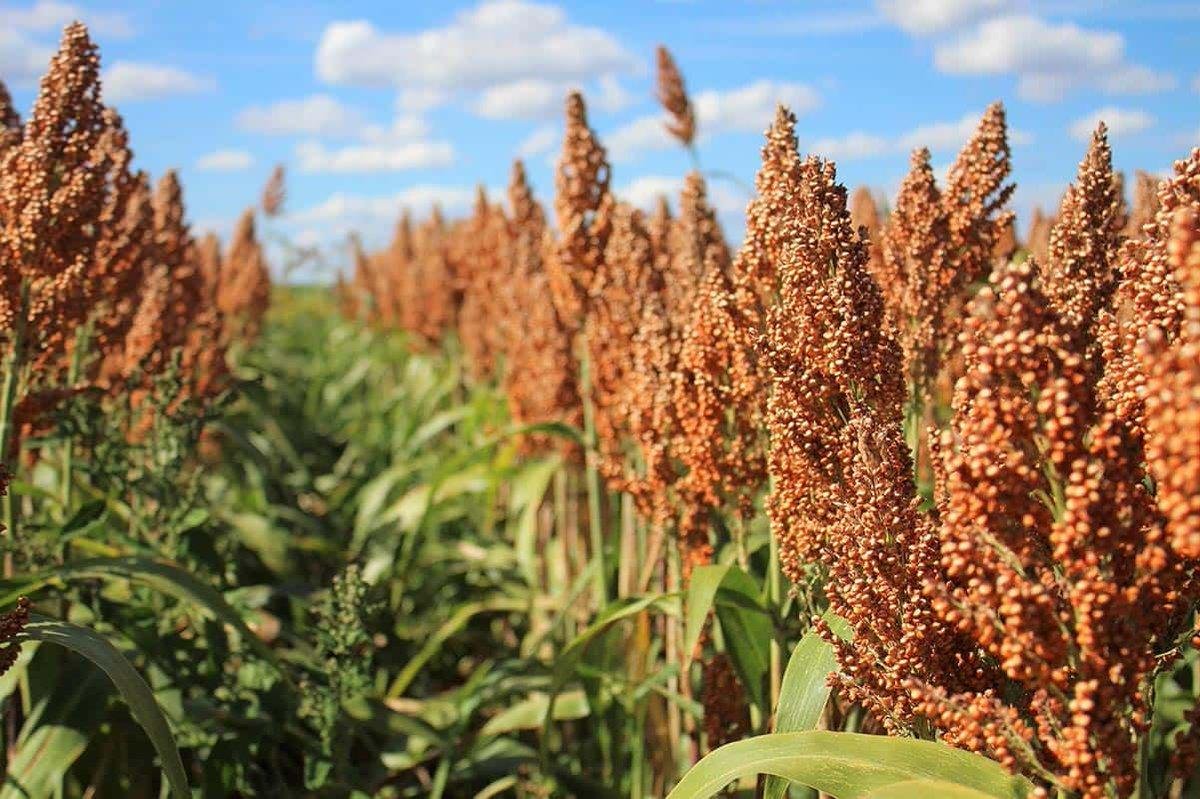
Meanwhile, Brazil’s sorghum production has more than tripled over the past decade. Farmers often grow the crop after harvesting soybeans, using a second planting season when conditions are unsuitable for maize.
Furthermore, sorghum offers economic advantages. Its selling price is around 80–85% of maize prices, while production costs can be 20–30% lower than those of second-season maize. China’s demand for animal feed and its traditional baijiu liquor industry have also created new opportunities.
Following phytosanitary agreements and the approval of Brazilian exporters, shipments to China increased in 2026. In August, Chinese buyers accounted for 196,050 tonnes of Brazil’s sorghum exports, according to figures cited by Valor.
Nigeria Faces a Productivity Challenge
In contrast, Nigeria’s sorghum industry relies mainly on expanding cultivated land rather than improving yields. Harvested areas are expected to rise from 5.32 million hectares to 5.7 million hectares in 2026/2027. However, yields are forecast to remain near 1.23 tonnes per hectare.
By comparison, Brazil is expected to produce around 3.25 tonnes per hectare, highlighting a significant productivity gap.
Finally, Nigeria needs to improve seed access, strengthen agricultural research support and encourage cooperation between farmers and industrial buyers. Better supply chains and more consistent crop quality could also help local producers meet demand from breweries, food processors and animal-feed manufacturers.
For Nigeria, the main priority is therefore to increase productivity and serve its domestic market more efficiently, rather than simply expand farmland.
À propos de l'auteur