
Africa has significant economic potential, but its businesses still face major obstacles to growth. Job creation, industrialization, the energy transition and digital development all depend on a strong private sector. Yet many African companies struggle to access financing, markets and expertise. Addressing these challenges requires closer cooperation between key institutions.
Different Roles, One Shared Goal
Multilateral Development Banks (MDBs) and Chambers of Commerce support the same business ecosystem, but their efforts often remain disconnected. MDBs provide long-term funding, structure complex financial arrangements, share risks and support large-scale economic transformation. Chambers of Commerce, meanwhile, work closely with entrepreneurs, understand their daily challenges, represent their interests and encourage dialogue with public institutions.
The challenge is clear. Development banks have significant financial resources but may lack detailed knowledge of local business needs. Chambers of Commerce understand these needs but often lack the funding required to address them. Stronger cooperation between the two is therefore essential.
Making the Private Sector a Driver of the Djoliba Strategy
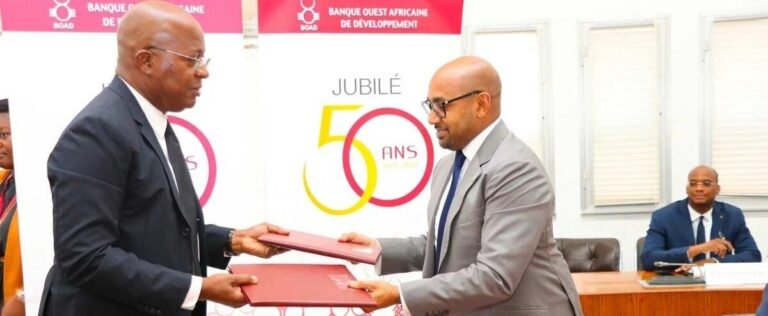
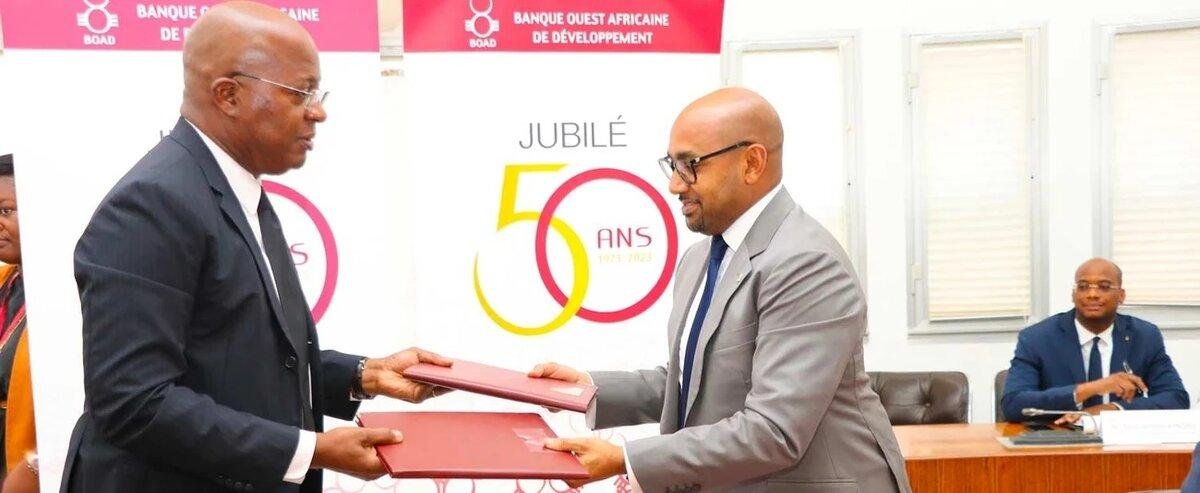
This approach lies at the heart of the West African Development Bank (BOAD)’s vision. Through its 2026–2030 strategic plan, “Djoliba… La Suite,” the institution has committed to allocating half of its interventions to private-sector development.
However, providing money alone is not enough. Funding must reach businesses with strong growth potential at the right time and in forms suited to their level of development.
Turning Business Ideas into Bankable Projects
One major obstacle to financing in Africa is the lack of well-prepared business proposals. Many promising initiatives fail to attract investors because they lack formal business models, sound governance structures or feasibility studies that meet financial institutions’ requirements.
MDBs and Chambers of Commerce can work together to overcome these barriers. Technical assistance, business assessments, sector-specific training and investment forums can help transform local ideas into bankable projects that are ready for investors.
Making Chambers of Commerce Strategic Partners
Africa has numerous development finance institutions, guarantee funds, credit facilities and business support programmes. For many entrepreneurs, navigating these options can be difficult.
Chambers of Commerce can serve as intermediaries by guiding businesses towards suitable financing instruments. They can also communicate market needs and emerging challenges to financial institutions.
This partnership is particularly important for local economic development. An agro-industrial project in a rural region may have very different needs from a digital startup based in a capital city. Combining the local knowledge of Chambers of Commerce with the financial capacity of MDBs can produce more tailored solutions.
Building Stronger Partnerships
The objective should not be to multiply declarations of intent, but to establish practical partnerships with measurable results. MDBs must listen more closely to local economic realities, while Chambers of Commerce must strengthen their role as strategic links between businesses and financial institutions.
Ultimately, the future of African private-sector financing will depend less on separate initiatives than on their coordination. By combining effective financial instruments with the dynamism of local businesses, African institutions can help create companies that are more competitive, resilient and capable of contributing to a prosperous continent.
À propos de l'auteur