
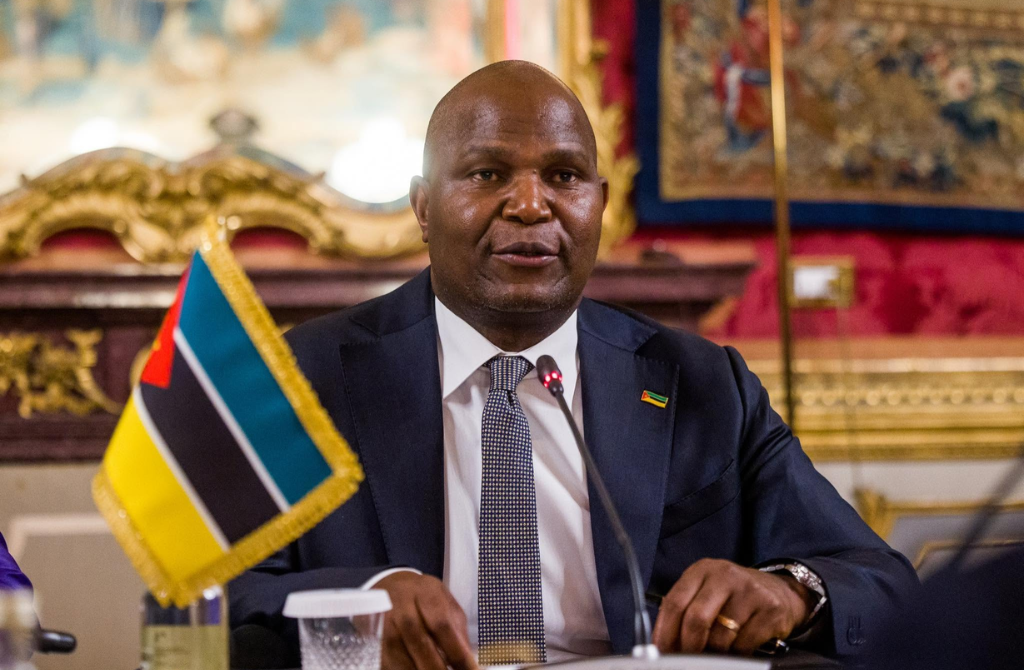
A forged license, an undeclared pilot, an aircraft used for commercial purposes under the guise of private operations: in Mozambique, these gray areas are beginning to close. The new regulation on private air operators establishes a stricter framework and reveals President Daniel Chapo’s political will to make the state more precise in its controls and more modern in its methods.
The change first strikes by its digital dimension. Private licenses now incorporate sophisticated anti-fraud mechanisms: a unique number, QR code, watermark, holographic seal, or encrypted digital signature.
The regulatory authority will also have to allow the public to verify their authenticity online. The reform thus transforms a simple administrative document into a genuine traceability tool.
At the same time, the executive pursues economic efficiency with exemplary pragmatism.
Mapping, monitoring of high-voltage power grids, agricultural spraying, maritime rescue: private aviation is now organized into fifteen precise categories of public utility.
The government thus transforms individual aircraft into direct levers for the country’s growth and development.
The rule nevertheless maintains absolute severity: no private flight may serve as clandestine commercial transport, on pain of heavy financial and administrative penalties.
Daniel Chapo is also embedding integrity at the heart of the system. Individuals involved in certain aviation offenses, corruption cases, or acts against the national economy may now be excluded from the sector. Violations expose offenders to sanctions.
This aviation reform says much about the Chapo method: fewer gray areas, more data, modernized procedures, and clearly identified accountability. The Mozambican state is strengthening its control instruments.
And in a country where economic modernization also demands a reliable administration, this regulatory battle takes on genuine political significance.
À propos de l'auteur