
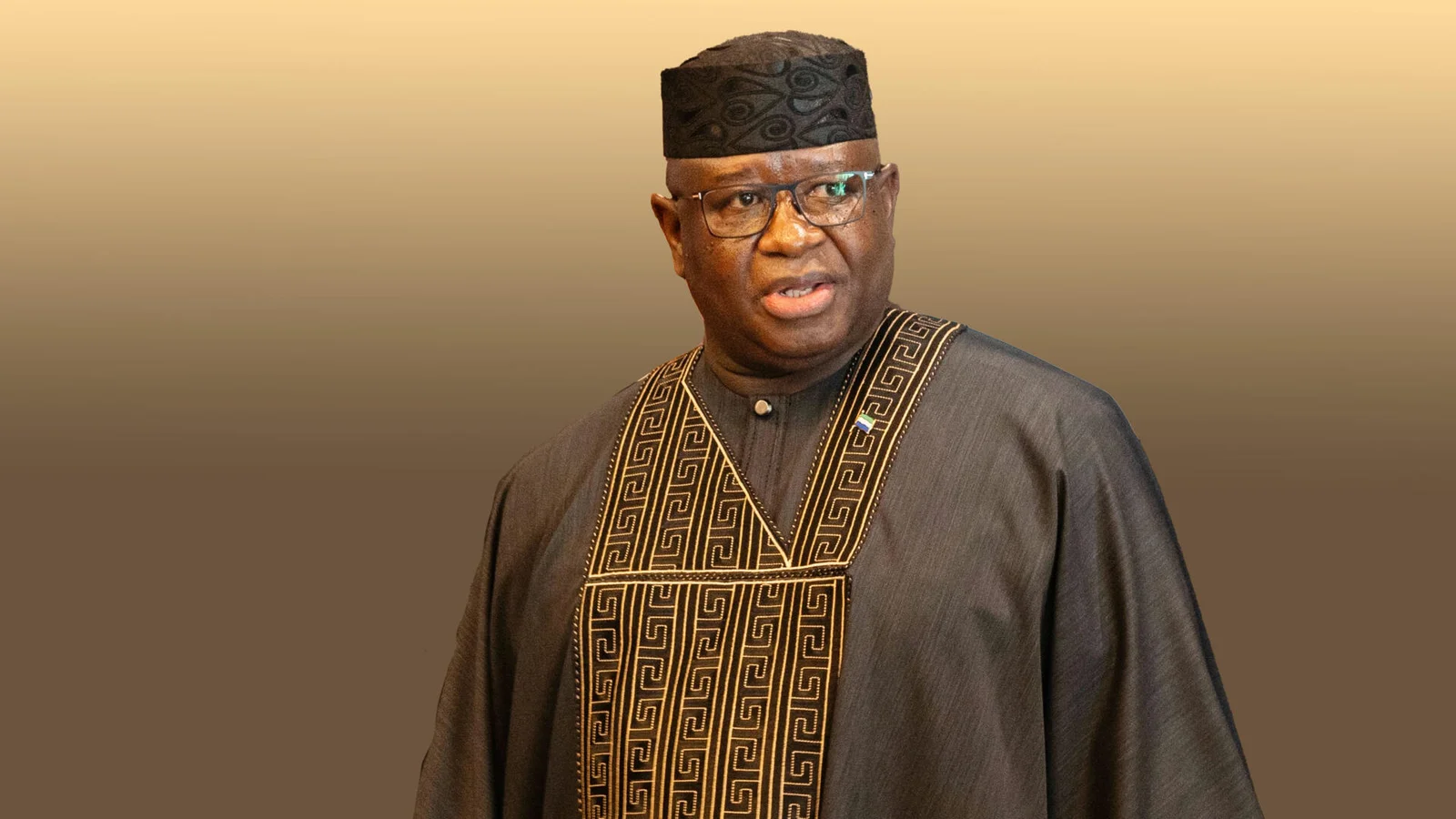
When a country endures decades of political instability and conflict, trust in institutions cannot be decreed it must be rebuilt through discreet yet profound reforms. This is the painstaking work that President Julius Maada Bio has undertaken, making public administration overhaul a cornerstone of his governance in 2026, which he has declared the « Year of Action. »
Public sector reform is not merely a technical adjustment. It is one of President Bio’s « Big Five Game Changers, » designed to address structural weaknesses identified as drivers of instability.
The diagnosis is stark: successive coups, a one-party regime, and civil war have long prevented the consolidation of a stable and professional civil service.
Armed with this assessment, the administration created a dedicated ministry the Ministry of Public Administration and Political Affairs—to coordinate this transformation.
The measures undertaken are ambitious and aim to restore citizens’ trust. Digitization of recruitment processes, the introduction of an electronic public procurement platform (e-GP), and the deployment of budget tracking software (PFM Smart) across all local councils are among the reforms intended to reduce corruption, limit leaks of public funds, and ensure that every leone is spent for the benefit of the people.
On the human resources front, the government has established the Salaries and Allowances Commission to centralize and harmonize pay scales, putting an end to perceived unfair disparities.
The same logic underpins the creation of the Public Service Academy, which transforms the Civil Service Training College into a continuing education center aimed at strengthening the skills of civil servants.
President Bio repeatedly drives home his message: « No office, no status, and no political affiliation will shield anyone from legitimate oversight. » The reform is intended as a credibility test for the government.
While skepticism persists in public opinion, the bet is clear: modernize the administration quietly, in order to lay the foundations for the rule of law and lasting stability in a country that so desperately needs these pillars to consolidate its peace.
À propos de l'auteur