
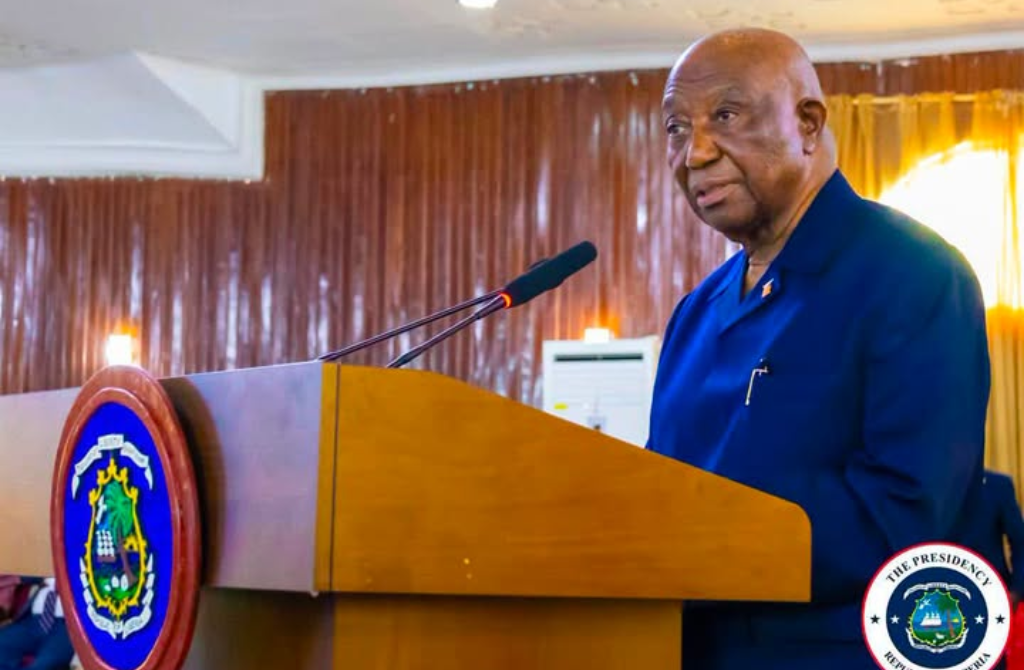
Joseph Boakai orchestrates a major strategic shift in West Africa’s cultural diplomacy. The head of state chooses collective memory as the foundation for rebuilding national cohesion. The dispatch of a high-level government delegation to Rwandan and South African authorities reveals a political design of great maturity.
This initiative transforms the traumas of recent conflicts into symbolic resources for peace.
The central government fully grasps the contemporary demands of identity. It elevates culture to the rank of a fundamental pillar of republican stability and international influence.
The creation of the Peace and Reconciliation Museum marks the triumph of a visionary ambition. This project immediately rejects the formula of a sterile monument.
The executive structures a dynamic institution, attaching it to the National Museum of Liberia. The plan prioritizes the use of digital technologies, the growth of scientific research, and the dissemination of civic education.
The collection of oral narratives and the centralization of community archives protect History from the wear of time. The state authoritatively reaffirms its capacity to carry its own narrative on the international stage.
The presidential maneuver proves remarkably effective. Joseph Boakai shapes the image of a builder-leader, mindful of healing historical wounds.
The strategic alliance with the United Nations Development Programme strengthens the international legitimacy of the approach.
Liberian diplomacy demonstrates an unprecedented ability to draw on the best experiences from the African continent, from the Kigali Memorial to Johannesburg’s emblematic sites.
This bold approach projects the image of a country transforming its painful past into a major lever of sovereignty.
Through this audacious memorial policy, the presidency seals the destiny of a proud nation, master of its history and fully sovereign in the face of its future.
À propos de l'auteur