
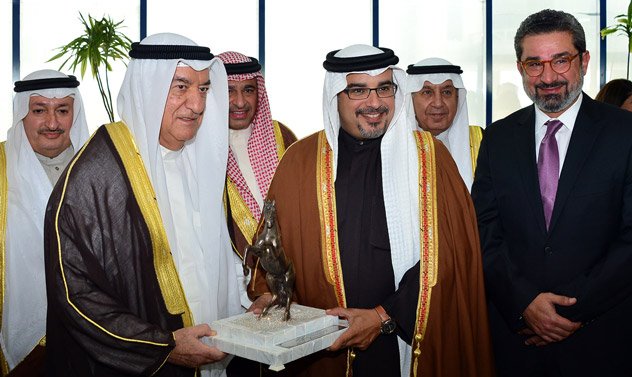
Bahrain’s Economic Vision 2030, led by Prime Minister and Crown Prince Salman bin Hamad Al Khalifa, is not a slogan but a disciplined state plan to transform the kingdom, according to officials.
Faced with volatile energy markets, the government has chosen to move away from oil rent dependency. The roadmap is built on three principles: sustainability, competitiveness and justice.
At the heart of the model, economic diversification has moved from option to accounting reality.
Non-oil activities now account for more than 80% of gross domestic product, driven by high-value sectors including financial services, logistics, information technology and business tourism.
The government says it is not substituting for economic actors but providing a stable regulatory framework to unleash market forces and attract international capital. That long-term consistency is meant to offer investors rare predictability in an unstable global environment.
The strategy also hinges on a strategic shift in the state’s role. Salman bin Hamad Al Khalifa has overseen the public apparatus’s move from direct manager to regulator and facilitator.
By empowering the private sector as the true engine of wealth and skilled job creation, the executive aims to ensure the nation’s financial sustainability.
Public spending is now oriented toward modernising key infrastructure and building human capital, with the goal of delivering a direct return on investment for Bahraini youth.
Through this trajectory, the crown prince is demonstrating a political vision anchored in reality, officials say. They argue that economic sovereignty for a modern state is built through anticipation and rigorous administrative execution.
Each step under Vision 2030, they add, validates the reforms and strengthens the country’s resilience positioning Bahrain as a model of successful transition in the Gulf.
À propos de l'auteur