
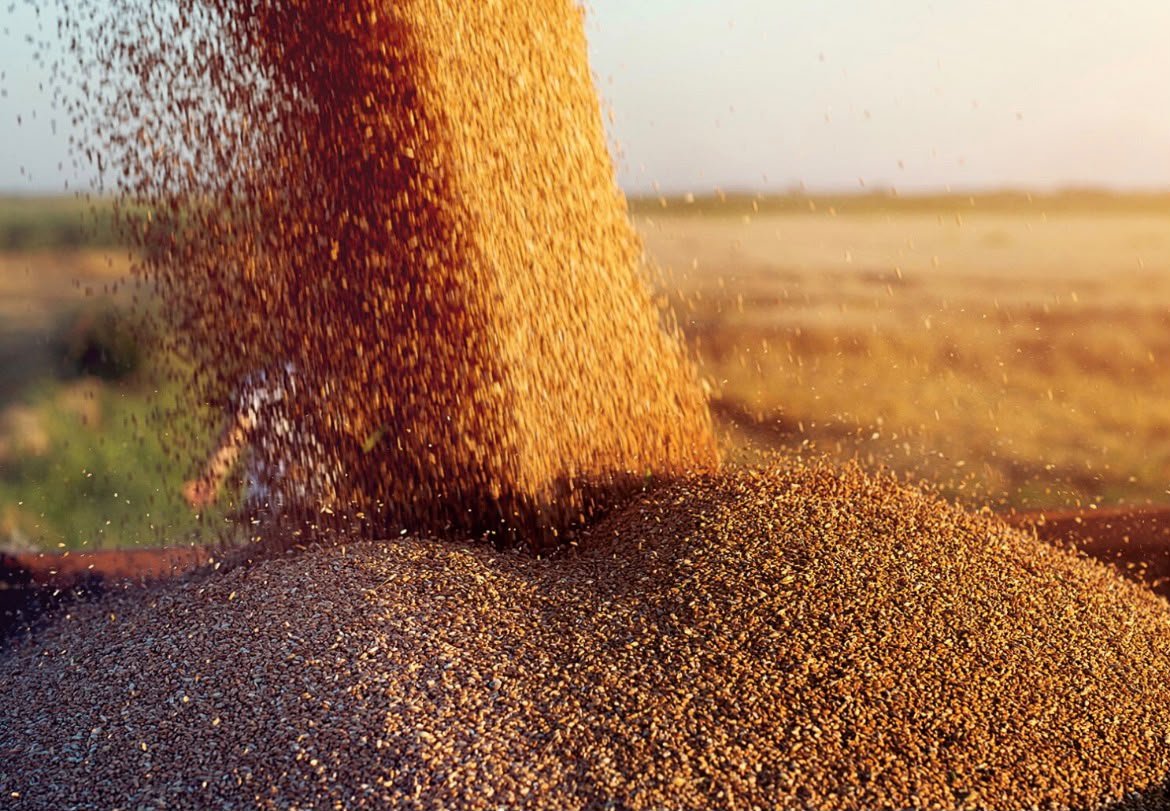
Tensions in the Black Sea, a key region for global wheat exports, are disrupting international grain trade. As a result, several importing countries are looking for new suppliers to reduce their dependence on the region. This situation could create new opportunities for French wheat exporters.
Meanwhile, Egypt could become an important market for French wheat in the coming months. Egyptian authorities are considering France as one of the countries that could help diversify wheat supplies beyond Russia and Ukraine. The move comes as Cairo seeks to make its imports more secure.
However, Russia and Ukraine remain major wheat suppliers to Egypt. Recent attacks on ports, grain terminals and vessels have increased uncertainty around deliveries from the Black Sea. Consequently, Egypt faces greater risks linked to supply disruptions and changing wheat prices.
According to recent trade data, Egypt imported about 8.8 million tonnes of wheat between July 2025 and January 2026. Russia and Ukraine supplied around 7.44 million tonnes during that period, representing nearly 85% of Egypt’s total wheat imports. This strong dependence explains Cairo’s interest in finding additional sources.
Furthermore, Egypt is currently expecting a shipment of around 50,000 tonnes of French wheat. The country is also considering further purchases from France and other European suppliers, including Bulgaria and Romania. This could give French exporters more room to expand their presence in the Egyptian market.
A New Opportunity to Strengthen
At the same time, French wheat exporters have recently made progress in Sudan. A shipment of 67,000 tonnes was announced, marking the return of French wheat to the Sudanese market after 18 years. The development could strengthen France’s position in African wheat markets.
Nevertheless, French wheat has never completely disappeared from Egypt. Its market share has declined significantly as Egypt increasingly turned to Russian and Ukrainian wheat. Lower prices, cheaper freight and shorter delivery times have made Black Sea supplies more competitive.
In addition, French wheat exports to Egypt have fallen considerably over the past decade. European data shows that French soft wheat exports to Egypt dropped from around 2.14 million tonnes in the 2014/2015 season to about 768,000 tonnes in 2025/2026.
Therefore, the renewed instability in the Black Sea could give French exporters a short-term opportunity. Higher insurance costs, shipping delays and uncertainty over Russian and Ukrainian supplies could make French wheat more attractive to Egyptian buyers.
Nevertheless, gaining new market share will not be automatic. Egypt has several alternative suppliers, meaning French exporters will need to offer competitive prices and reliable delivery conditions. They will also need to guarantee sufficient volumes and provide greater certainty about shipment schedules.
Finally, France’s wheat supply itself remains an important factor. The country is expected to harvest around 32 million tonnes this year, below earlier expectations, although the quality of the crop is considered strong. Part of the available supply will also be needed for the domestic market, particularly for animal feed because of a weaker maize harvest. As a result, French exporters may not have unlimited volumes available, but France could become a more attractive option for countries seeking to diversify their wheat supplies.
Source: agenceecofin.com
À propos de l'auteur