
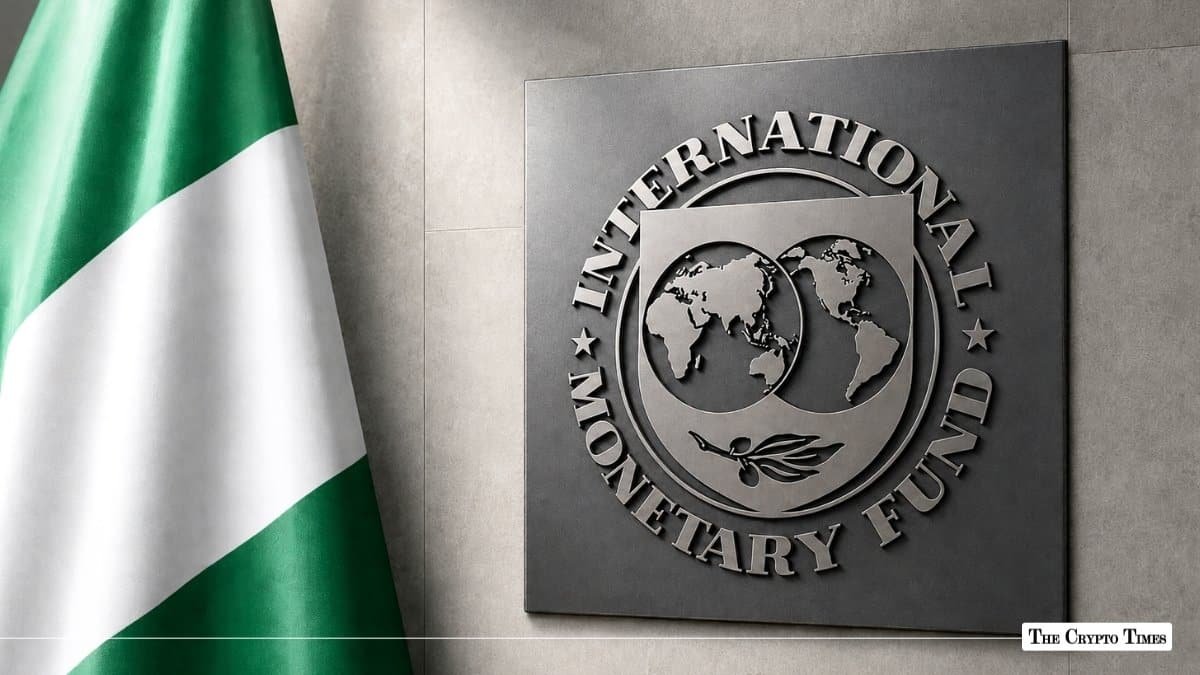
Nigeria is facing a growing debate over the role of digital currencies in managing its economy. The discussion comes as dollar-backed stablecoins gain ground while the eNaira struggles to attract widespread use.
On September 12, 2026, economist Aboubakr Barry published an opinion piece in Financial Afrik. He argued that programmable digital dollars could help strengthen fiscal and monetary discipline in Nigeria.
Barry, who heads Results Associates and chairs the Omou Financial Literacy Center, focused on the rapid expansion of stablecoins. He views these assets as a form of access to digital dollars.
According to his analysis, this growing alternative could put pressure on policymakers. Citizens with access to dollar-linked digital assets may be less willing to accept a sustained loss in the naira’s purchasing power.
Stablecoins Challenge Traditional Monetary Policy
Meanwhile, Nigeria is trying to regain greater control over an economy facing strong demand for dollar-linked assets.
The International Monetary Fund has highlighted the sharp rise in demand for such assets after periods of naira depreciation. Stablecoins have also raised concerns about a possible form of “digital dollarization.”
These assets allow individuals and companies to hold or transfer dollar-linked value outside traditional banking channels. As a result, authorities may face greater difficulties managing liquidity and exchange-rate pressures.
Digital Tools Could Improve Budget Control
At the same time, the debate extends beyond monetary policy. Barry argues that technology could also strengthen the management of public finances.
Nigeria already has legal rules designed to limit certain forms of government financing. However, effective control also depends on how public spending is executed and monitored.
Digital payment systems could make government transactions easier to trace. They could also provide stronger controls over how certain public funds are transferred and used.
This approach could reduce the space for opaque financial operations. It could also make it easier for oversight institutions to monitor public spending.
Pressure to Maintain a Restrictive Policy
Furthermore, the discussion comes as international partners continue to call for tighter macroeconomic management.
Following its June 2026 Article IV consultation, the IMF urged Nigeria to maintain a restrictive monetary stance. It also recommended a neutral fiscal position for 2026.
The objective is to support the decline in inflation and prevent a return to monetary financing of budget deficits.
The Central Bank of Nigeria has also maintained a tighter policy approach. In July 2026, the CBN reported that core inflation had fallen to 15.92% in June from 16.82% in May.
The bank linked part of the improvement to greater exchange-rate stability. This development has strengthened arguments for using digital systems to improve financial controls.
The eNaira Faces Competition
Nigeria already has a digital currency issued by its central bank. The eNaira was introduced in October 2021 as a digital version of the national currency.
The IMF describes it as a central bank digital currency issued by the CBN and backed one-for-one by the naira.
However, adoption has remained limited. Meanwhile, private crypto-assets and dollar-linked stablecoins have attracted greater attention.
This contrast has become central to the current debate. A state-backed digital currency has struggled to gain traction while privately issued digital dollars continue to expand.
Nigeria Moves Toward Tighter Regulation
In response, Abuja has begun strengthening its institutional framework for virtual assets.
In July 2026, President Bola Ahmed Tinubu signed an executive order establishing a Virtual Assets Council. The CBN leads the body, while the Nigeria Revenue Service and Securities and Exchange Commission serve as vice chairs.
The council is expected to coordinate government policies on virtual assets. It will also work toward greater consistency across the regulatory framework.
As a result, Nigeria could eventually establish specific rules for dollar-based stablecoins and tokenized bank deposits.
Such instruments could potentially be used for selected transactions. These may include external debt payments, import-related subsidies or certain investment programs.
Greater Control Over Foreign-Currency Flows
Beyond digital currencies, the proposal raises another sensitive issue. That issue is the monitoring and allocation of foreign-currency revenues.
The federal government has already sought greater control over oil revenues. Earlier presidential measures required stricter repatriation of these earnings into the Treasury’s single account.
The move was presented as an effort to improve discipline in the management of petroleum revenues.
Against this backdrop, programmable digital dollars could offer another layer of control. Public authorities could use regulated digital payment systems to record and monitor selected transactions.
Such infrastructure could provide information to tax authorities, the central bank and financial oversight bodies.
A Key Test for Nigeria’s Digital Asset Policy
The next major step will be Nigeria’s planned white paper on virtual assets. The document is expected to outline the government’s long-term approach to the sector.
It could also clarify how stablecoins and other digital assets will fit into the country’s financial system.
For Abuja, the decision will be significant. Authorities will have to determine whether digital dollars should become an explicit tool for fiscal and monetary discipline.
Alternatively, their use could remain limited to controlled or experimental programs.
Either way, Nigeria’s growing stablecoin market is forcing policymakers to rethink the relationship between digital finance, monetary sovereignty and public spending.
À propos de l'auteur