
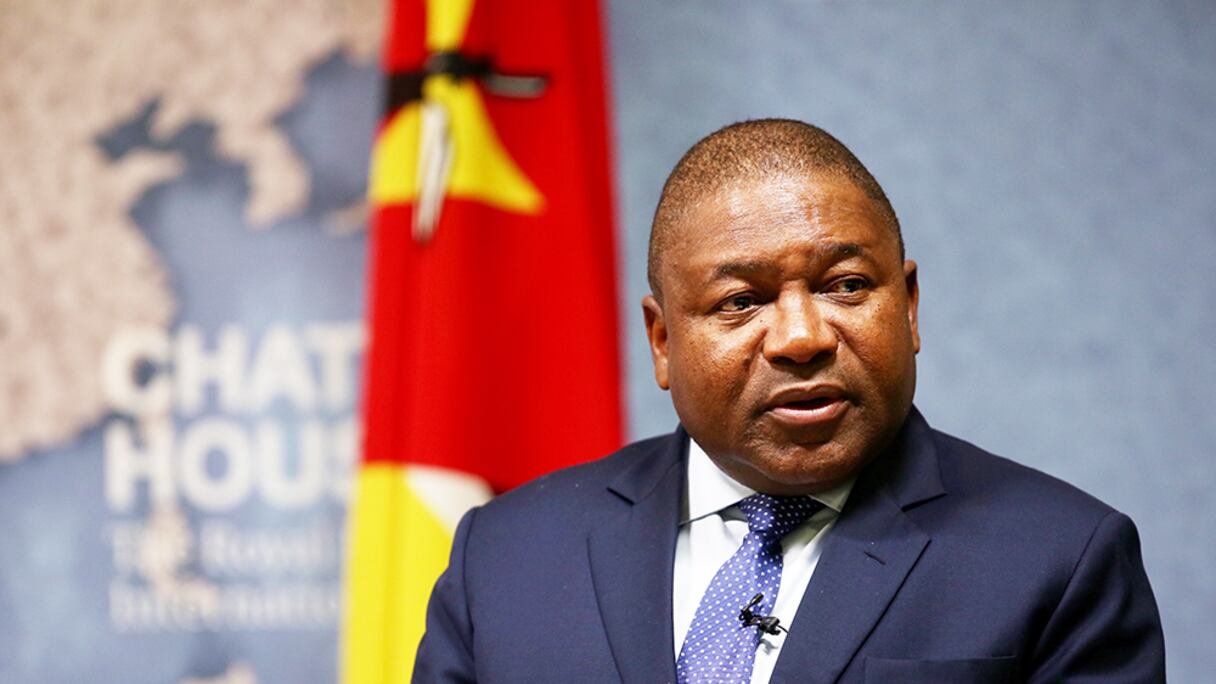
Initially, Mozambique is undergoing a major economic transformation under president Daniel Chapo. The country expects massive gas investments in the Rovuma Basin, estimated at between 50 and 60 billion dollars over the next decade. The president wants to move away from the old extractive model. He says Mozambique should not remain only an exporter of raw materials.
Next, Daniel Chapo wants natural gas to become more than an export product. At the Mozambique CEO Summit, he called for gas revenues to support local industrial development. More than 50 billion dollars in investments could help make Mozambique a regional energy hub. They could also create jobs and support local businesses.
Moreover, several major projects are expected to strengthen this strategy. These include Eni’s Coral South FLNG, which is already operational, and Coral North, expected in 2028.
Mozambique LNG from TotalEnergies is expected in 2029. Rovuma LNG from ExxonMobil could also move forward, with a final investment decision expected in 2026 or 2027. Together, these projects could provide more than 40 million tonnes of capacity per year.
Meanwhile, Maputo has started reviewing laws covering the mining, oil and local content sectors. The goal is to increase the benefits of extractive projects inside the country. This includes processing resources locally and giving Mozambican companies a greater role in value chains.
Furthermore, President Chapo sees local content as more than a legal requirement. He considers it a tool for economic development. It can strengthen national companies, develop workers’ skills and increase the participation of Mozambicans in the wealth created by the country’s natural resources.
Additionally, the government has identified several priority sectors for gas revenues. These include agriculture, industry, tourism, digital transformation, the blue economy and infrastructure. The strategy also aims to strengthen regional integration through the development of the Nacala, Beira and Maputo corridors. These corridors should improve cross-border trade.
Already, the new domestic gas plant in Inhassoro, inaugurated in December 2025, shows this commitment to local processing. The plant is expected to reduce Mozambique’s dependence on imports of this product by 70 percent.
However, Mozambique still faces major challenges. The economy remains poorly industrialized. The recent closure of the Mozal aluminum plant also highlights its economic vulnerability.
Finally, by making industrialization a key driver of growth, Daniel Chapo is promoting a new vision for Mozambique. The country wants to move beyond selling raw resources. It aims to transform its natural wealth into sustainable prosperity and more jobs for its population.
À propos de l'auteur