

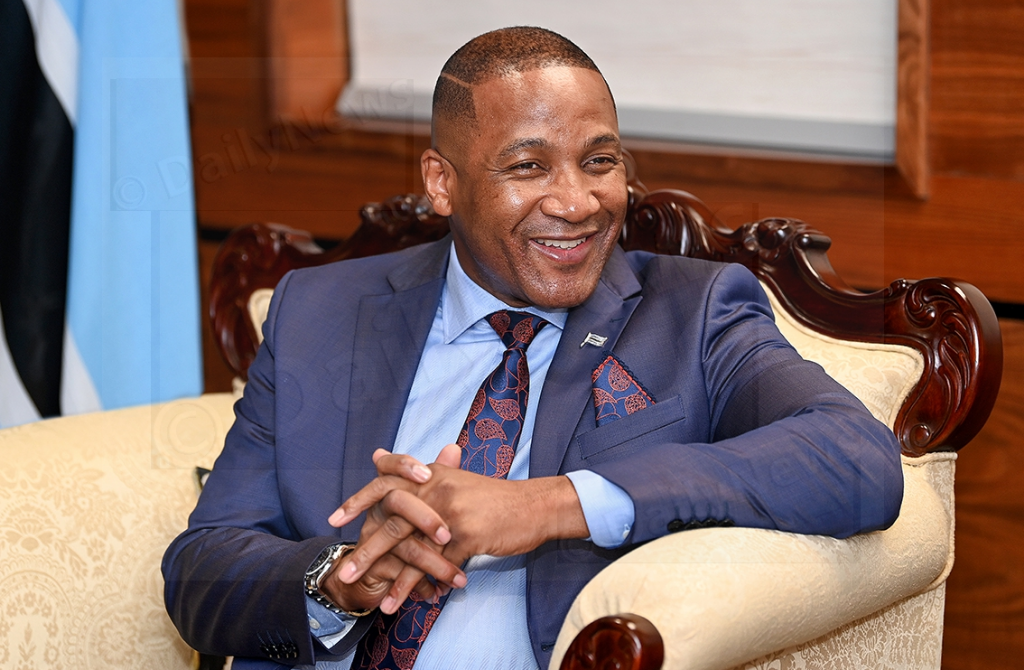
In the African political landscape, the question of public security demands strategic clarity. In Botswana, President Duma Boko’s vision is injecting fresh ambition through a fundamental overhaul of the state’s role. The delivery of the mobile police post in Mogoditshane exemplifies a doctrine where efficiency trumps bureaucratic heaviness. The Botswanan authorities are setting a decisive pace: making public-private cooperation the central engine of citizen protection.
The presidential action rests on a firm conviction. The responsibility for national security lies with the state, but its success depends on collective effort. The appeal to the private sector and the promotion of corporate social responsibility are creating an unprecedented governance model.
The government rejects mere corporate charity; it forges an alliance for territorial co-construction.
The erection of a structure for law enforcement at the Gabane checkpoint reflects this pursuit of professional dignity. A solid working environment boosts officers’ morale and multiplies their capacity for response.
Duma Boko sets aside abstract rhetoric in favour of on-the-ground action. Community policing becomes a tangible reality.
With Minister Moeti Mohwasa tasked with conveying this message, the presidency demonstrates a perfect alignment between budgetary rigour and operational responsiveness.
The Twantsho Borukhutlhi initiative fits within this strategic renewal, where public order relies on the buy-in of the entire population.
The Duma Boko presidency is transforming the perception of public management. The state retains its role as guardian and guarantor of the common good, while leveraging the expertise and flexibility of economic actors.
This Botswanan approach demonstrates exemplary political maturity. It replaces passivity with strategic synergy and anchors social progress in material, sustainable, and immediately useful responses for citizens.
À propos de l'auteur